
From Forgotten Spaces to Favorite Places with Paint
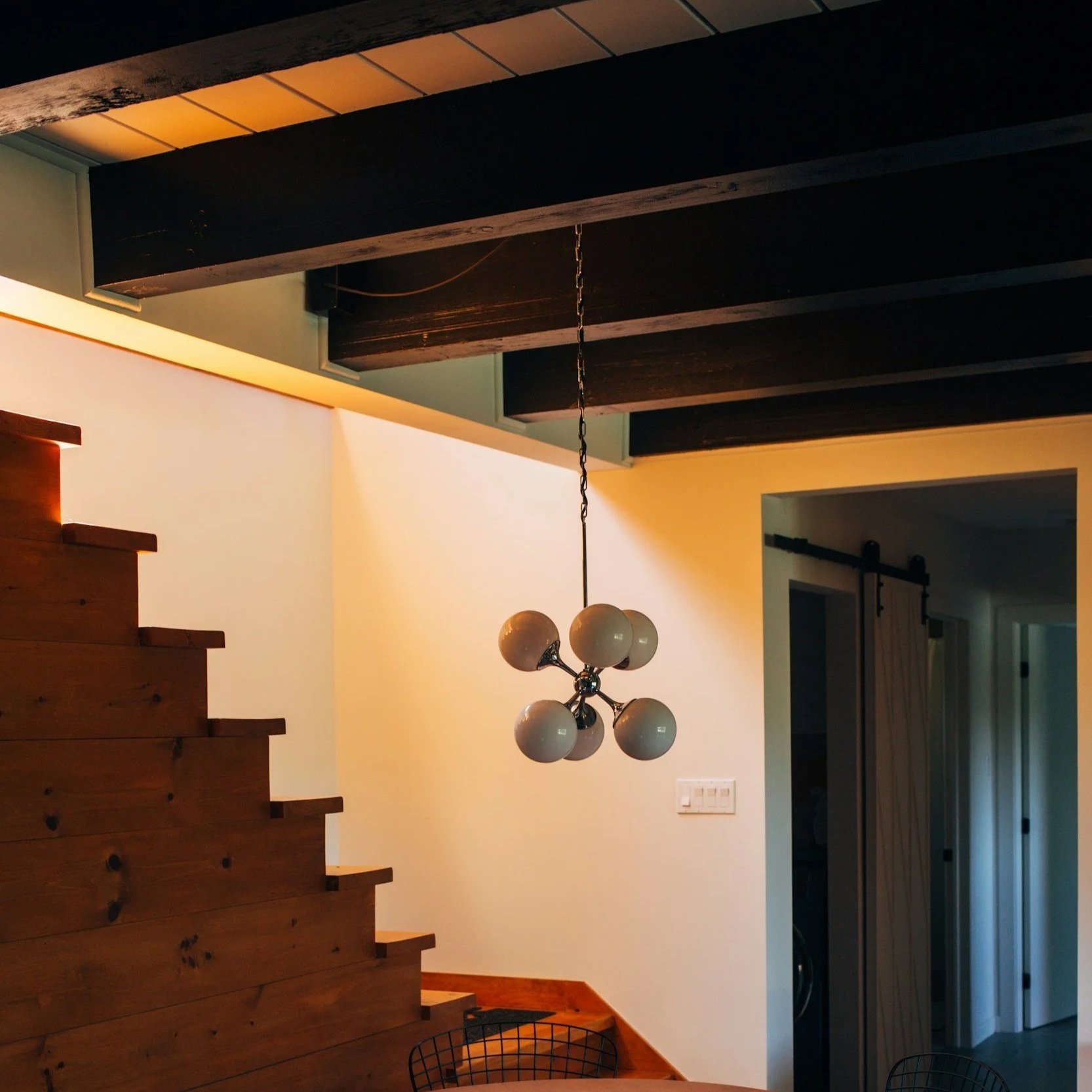
Homeowners feel surprised when they walk into a newly painted attic or basement and realize how much space they have gained without knocking down walls.
Basements and attics sit quietly at the edges of a home, often collecting storage bins and things no one wants to sort. A professional paint project changes all of that and turns neglected corners into livable square footage. Fresh color introduces comfort, personality, and warmth where there was once only clutter and shadows. Homeowners feel surprised when they walk into a newly painted attic or basement and realize how much space they have gained without knocking down walls.
Color has a powerful role in shaping the mood of these rooms. Dark corners soften. Low ceilings feel lighter. Odd angles begin to look charming instead of inconvenient. Professional painters understand how color interacts with light, texture, and temperature. Their experience creates results that feel polished and welcoming. A beautifully painted basement or attic often becomes the new favorite place in the home.
Professional Insight Makes All The Difference
Basement and attic painting involves challenges that other rooms rarely present. Moisture, limited light, exposed beams, uneven surfaces, and large temperature swings call for training and skill. A professional painting team evaluates each condition before selecting products. They understand which primers support good adhesion and which paints resist humidity or heat. A successful project always begins with preparation, and experts know how to protect surfaces, handle older materials, and correct imperfections.
Homeowners appreciate how a professional approach creates a safe and smooth environment—no need to battle ladders in tight corners or balance on beams in the attic. Professionals bring tools and techniques that make complicated surfaces look effortless. Their knowledge helps the paint last longer and stay vibrant.
Why Basements Benefit From Professional Painting
Basements often feel dense and closed in. Shadows linger in corners, and bare concrete walls absorb more light than they reflect. Professional painters recognize how to brighten these spaces with colors that lift the mood. Pale neutrals, warm whites, and soft gray tones introduce airiness. A basement can shift from a forgotten storage zone to a cozy den or cheerful family space with the right palette.
Moisture presents another challenge. Basements tend to have higher humidity and occasional dampness. Professional products counteract these conditions and help the paint stay smooth. A skilled painter uses primers that resist discoloration and coatings designed for concrete or masonry. Proper preparation blocks stains and creates a clean surface that supports fresh color.
Professionals also consider how the room will be used—a media room benefits from soft, balanced tones that reduce glare. A craft area feels lively, with gentle colors that spark creativity. A guest suite gains comfort from warm hues that create a restful ambiance. Function drives the aesthetic, and experts guide homeowners in choosing colors that complement the intended purpose.
Brightening Attics With The Right Paint
Attics bring their own set of quirks. Sloped ceilings, angled walls, exposed rafters, and narrow pathways often create unusual visual effects. Skilled painters understand how to highlight these features in a flattering way. Light colors expand the feel of a small attic. Deep tones create a comfortable nook for reading or studying.
Attics also experience significant temperature swings. Heat collects near the roof in summer, and winter chills settle quickly. Professional coatings handle these fluctuations without peeling. A high-quality primer bonds to older wood and prevents cracks from forming. Proper preparation helps the finish stay strong even when the climate shifts.
Many homeowners transform attics into hobby rooms, home offices, or quiet retreats. A fresh coat of paint removes the dusty feeling that often lingers in unfinished attic spaces. Once the surfaces look clean and smooth, the room becomes easier to use and easier to decorate. A professionally painted attic feels more like part of the home and less like a forgotten storage space.
Creating A Cohesive Look Throughout The Home
A painted basement or attic looks even better when it flows with the rest of the home. Professional painters help create a color palette that connects every level. Matching undertones gives the home a unified look. Coordinated colors help the transition between floors feel intentional.
Some homeowners prefer light, airy palettes that make the entire home feel open. Others lean toward warm, earthy tones that feel grounded and comfortable. Professionals listen to design preferences and guide the selection toward colors that enhance the household's style and personality. A cohesive palette supports resale value and boosts visual harmony.
Surface Preparation That Sets The Stage
Surface preparation is critical for basement and attic painting. Dust, old finishes, rough boards, and stubborn stains require attention before paint can go on. A professional team uses sanding, cleaning, patching, and priming to create a fresh, even foundation. Without proper preparation, paint would sit unevenly or peel long before its time.
Preparation also protects items stored in these spaces. Floors, furniture, appliances, and personal belongings are covered with care. Professionals maintain a neat work environment and keep the project controlled from start to finish. Good preparation supports both the appearance and durability of the final result.
Lighting And Its Impact On Color
Lighting influences how color works in basements and attics more than in any other room. Limited daylight or artificial lighting changes the appearance of every hue. Professional painters account for this and test colors under the actual lighting conditions.
Warm bulbs soften cooler shades. Cool bulbs brighten warm tones. Recessed lighting interacts with wall color differently than floor lamps or track lighting. A professional team understands how these factors interact and recommends colors that complement the existing setup.
Color temperature affects mood as well. Pale blues create calm. Soft greens feel refreshing. Warm taupe gives a cozy, grounded feeling. A careful lighting and color combination helps every basement and attic feel comfortable and balanced.
Creative Transformations Made Possible With Paint
Many homeowners discover unexpected uses for their basements and attics once their spaces are revitalized with paint. A once dusty attic becomes an art studio filled with sunlight and possibility. A basement once crowded with storage boxes becomes a home theater where families gather for movie nights. A newly painted attic becomes a quiet reading corner. A painted basement can transform into a fitness area or a hobby workshop.
Paint plays a large role in unlocking imagination. Clean walls encourage new ideas. A fresh finish wipes away memories of clutter and gives homeowners a blank canvas for future projects.
Choosing The Right Paint Finish
Paint finish matters just as much as color. Glossy finishes reflect light but reveal imperfections. Matte finishes hide irregularities but collect marks more easily. Satin finishes offer a balanced middle ground and work well in basements. Eggshell finishes bring a soft sheen to attic walls without overwhelming the space.
Professionals help select finishes that support durability and design. Concrete walls often need specialty coatings that resist chipping or flaking. Older wooden beams in attics may require products that prevent yellowing. Every surface demands a thoughtful match.
Longevity And Comfort Through Professional Quality
A freshly painted basement or attic feels cleaner and more comfortable. High-quality paint resists discoloration and makes upkeep easier. Durable coatings reduce the appearance of scuffs and make cleaning less stressful. When paint lasts longer, the room stays appealing for many years.
Professionals understand how insulation, airflow, and humidity interact with paint. Their product selection and technique protect the room from common issues like flaking, peeling, and uneven fading. A professionally painted space maintains its beauty long after the project ends.
Protecting The Structure While Enhancing Its Appearance
Many attics and basements include exposed beams, structural posts, or older materials that need caution. Paint protects wood from absorbing moisture and shields surfaces from gradual wear. A clean coat helps maintain structural integrity by reducing exposure to dampness.
Professionals take care around delicate or older elements. They understand how to restore surfaces without damaging them. The final result looks refreshed while preserving the original structure's charm and character.
Turning Unused Areas Into Functional Rooms
A beautifully painted attic or basement invites practical use. Families quickly find themselves spending more time in the upgraded area. A study nook, playroom, workout zone, guest space, or creative studio becomes easy to achieve with fresh, clean walls.
Even stairways leading to these spaces benefit from a new coat of paint. A welcoming path changes the entire experience. Suddenly, the basement or attic no longer feels like a forgotten corner but part of daily life.
Basement and Attic Painting FAQs
What colors brighten a dark basement?
Lighter neutrals, pale grays, and warm whites reflect light and help lift shadows in low-light areas.
Why does attic painting require special products?
Attics experience more temperature swings, so coatings must resist peeling, cracking, and fading under extreme conditions.
How does professional preparation improve the final look?
Sanding, cleaning, patching, and priming create an even surface that supports smooth application and long-lasting color.
Can basements benefit from moisture-resistant paint?
Moisture-resistant coatings help protect walls from discoloration and improve durability in humid environments.
How often should basements or attics be repainted?
Repainting varies based on use and wear, although many homeowners refresh the space during redesigns or functional upgrades.
Homeowners in Hialeah Gardens and beyond trust Vinicio Painting for professional and reliable interior painting services, including cabinet painting and refinishing, drywall repair, wallpaper removal, epoxy floor coating, and basement and attic painting. We combine traditional methods with modern innovations to create impressive interior surfaces. With over 20 years of experience, you can count on us to do the job right. Call today to learn more.
