

Our Painting Blog
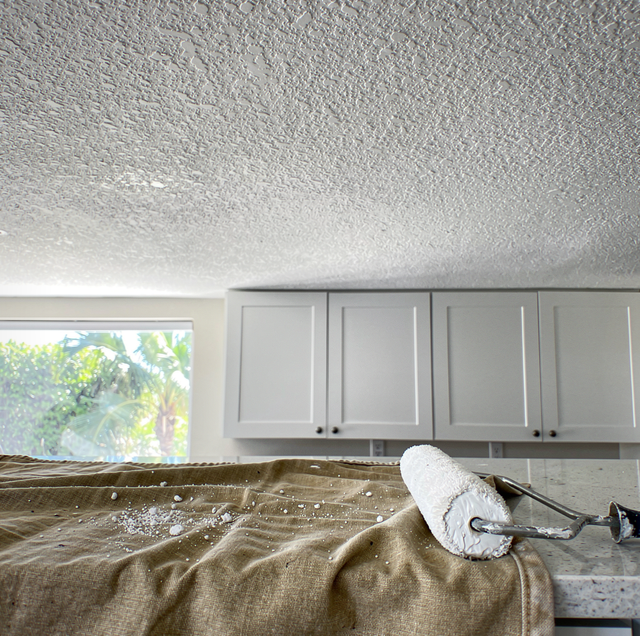
Can a Popcorn Ceiling Be Painted Without It Falling Off?
Halfway through the first coat, a fine white grit starts landing on the drop cloth.
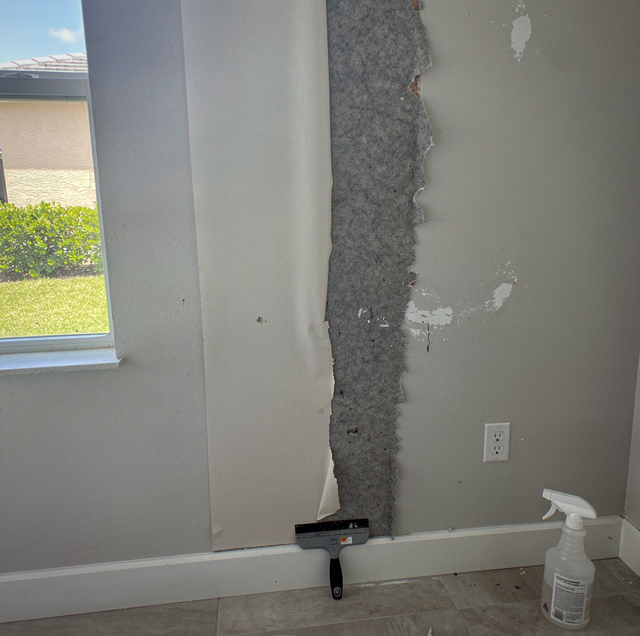
How to Remove Wallpaper Without Damaging the Wall Underneath
Peel back a strip of old wallpaper in one room, and the wall underneath looks freshly painted, smooth and ready for a new coat within the hour.
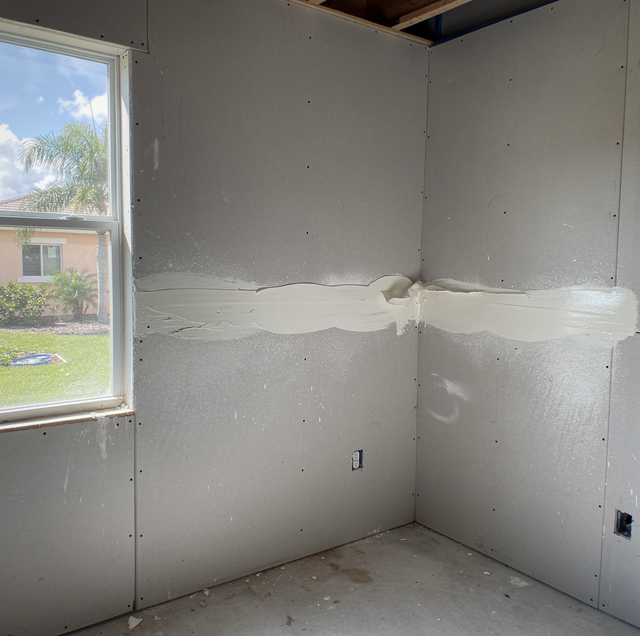
Why New Drywall Needs Different Prep Than Old Walls
Paint a brand-new wall the same way you'd touch up an old one, and you'll often see it: patches that look duller or shinier than the rest, a faint outline of every taped seam ghosting through the topcoat, or color that seems to shift depending on where you stand.
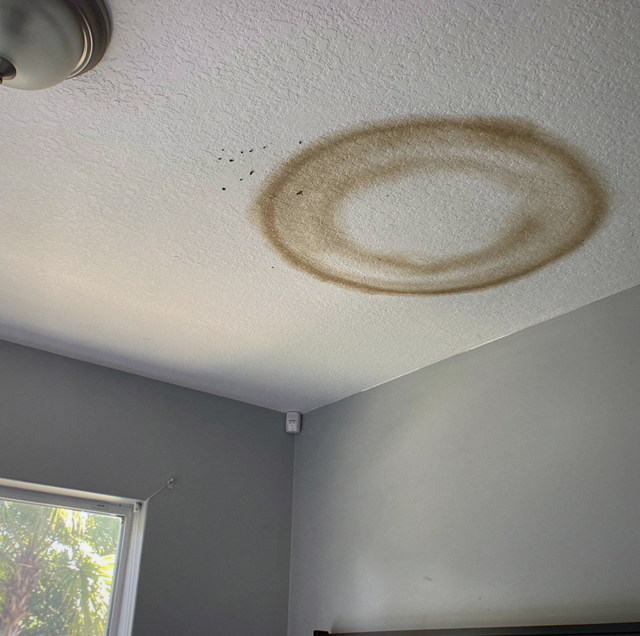
What Ceiling Cracks and Stains Are Really Telling You
A ceiling rarely fails all at once. It shows small, specific signs first, and each one tells you something different about what's happening beneath the surface you can see.
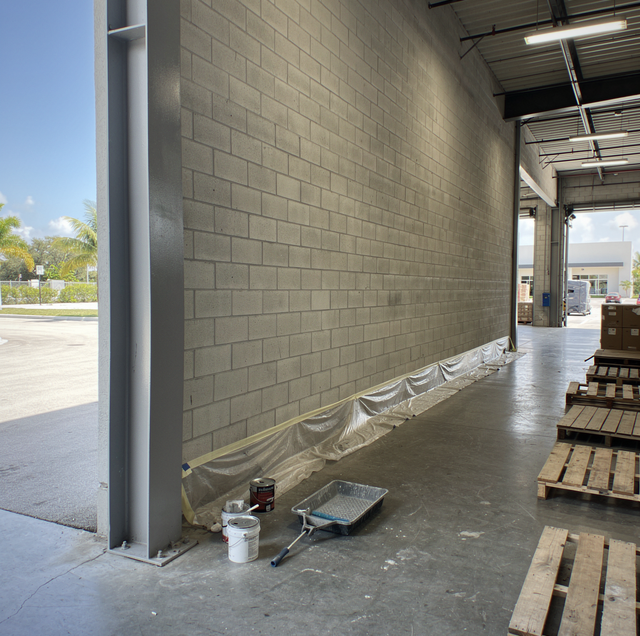
What’s Involved in a Commercial Paint Job, Start to Finish
A commercial paint job and a residential one might look similar from the outside; both involve rollers, brushes, and a crew moving from wall to wall, but the planning underneath them is built around a different set of constraints.
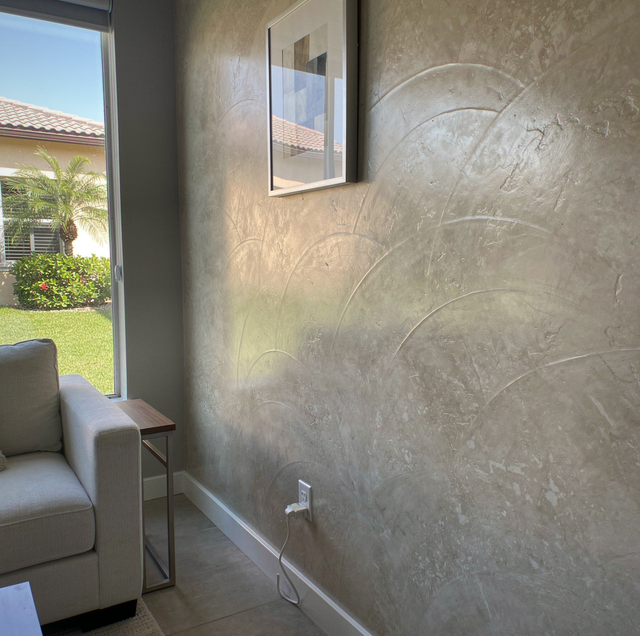
How Venetian Plaster Gets That Polished-Stone Look
Run your palm across a finished Venetian plaster wall, and it feels almost like touching cool stone: smooth in spots, faintly ridged in others, with a soft glow that shifts as you move past it.
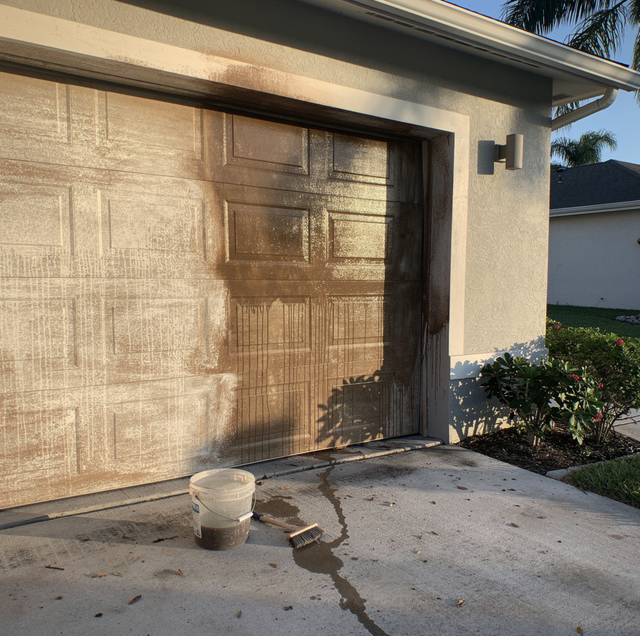
How to Restore a Faded Garage Door Without Replacing It
A garage door that's gone chalky, faded, or streaked with a fine white powder gets written off more often than it deserves to be.
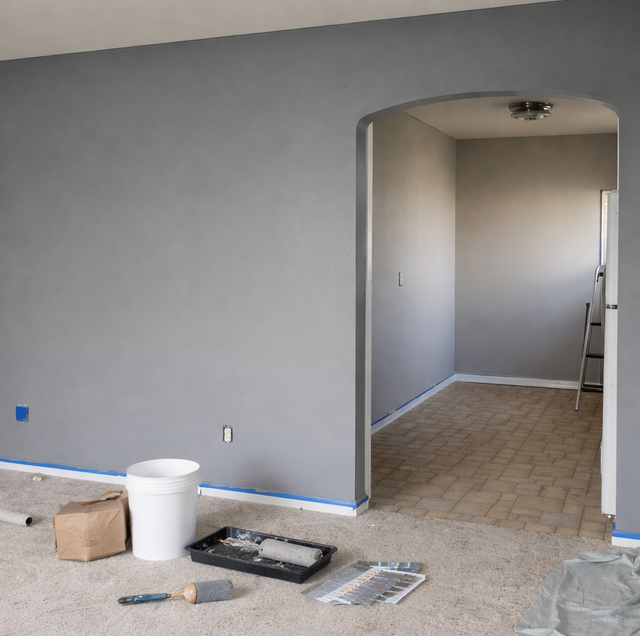
Which Paint Sheen for Each Room? The Right Call
Two people can buy the exact same gallon of "warm gray" and end up with walls that look nothing alike.
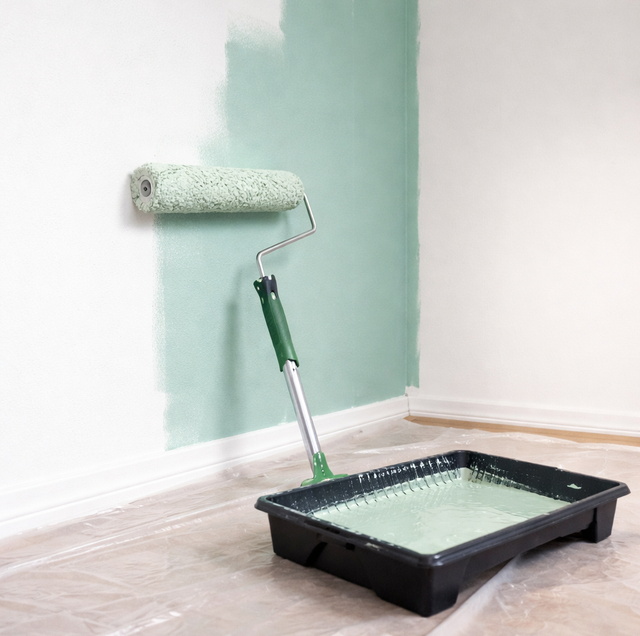
What Causes Roller Marks and Streaks (and 9 Fixes)
You stepped back from a freshly rolled wall, the light shifted, and there they were: pale stripes down the middle, a darker seam where two passes met, faint tracks running the length of the roller.
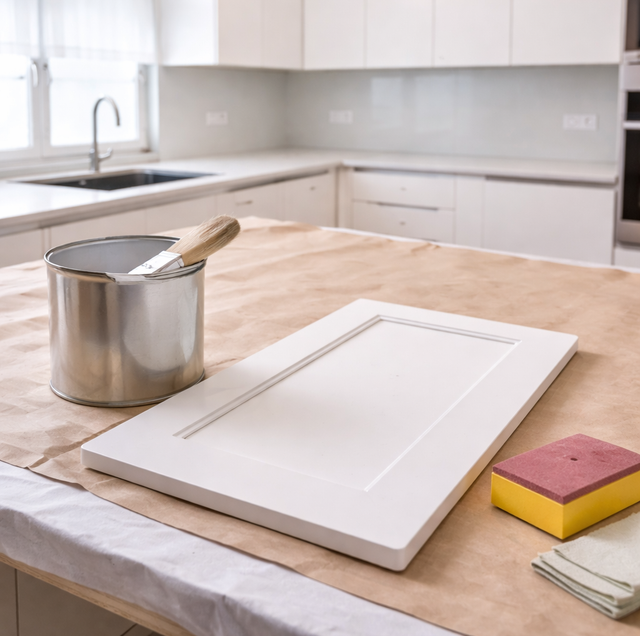
Smooth Cabinet Finish, No Brush Marks: 8 Steps That Work
A painted door that reads as factory-made has almost no visible texture. Light slides across it in one even sheet instead of catching on ridges.
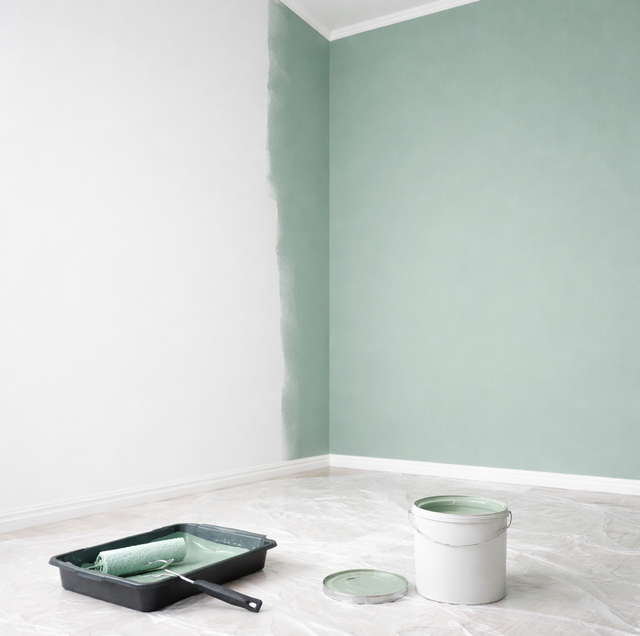
How Many Coats of Paint Does a Wall Really Need?
Roll one coat onto a wall, step back while it is still wet, and it can look done.
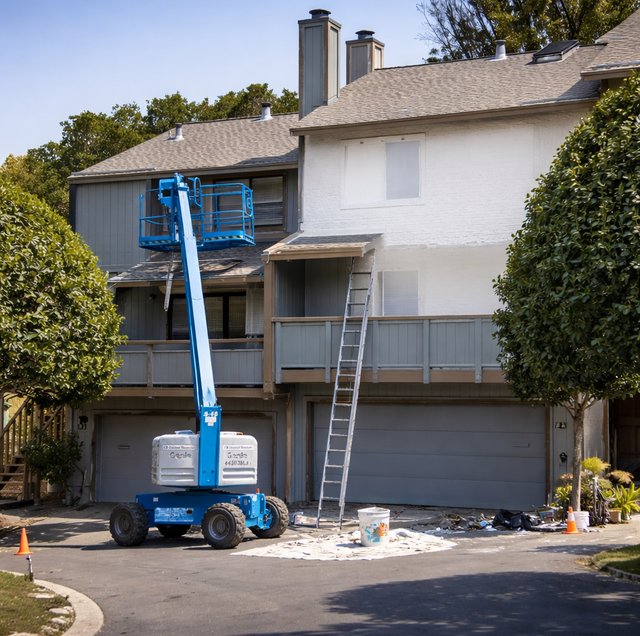
How Long Does Exterior Paint Last? What Cuts It Short
A fresh exterior paint job looks like it should last forever. It never does, and the honest answer to how long it holds is a range, not a single number.
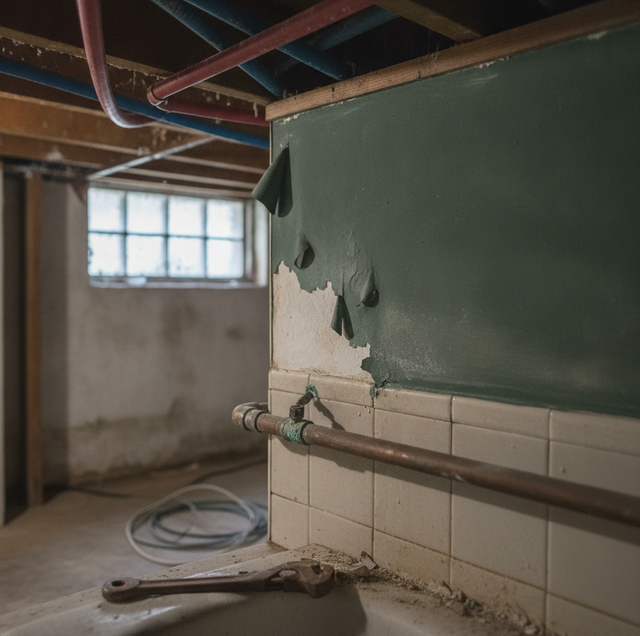
Why Does Bathroom Paint Peel in Humid Climates?
A coat of paint holds because it has bonded to the layer beneath it. Break that bond, and the paint has nowhere to go but off the wall. In a bathroom, the thing that breaks the bond is water, and it does not have to arrive as a visible drip. Water vapor is small enough to pass through a paint film and reach the surface underneath, where it collects, softens the bond line, and lifts the coating from behind. That is why bathroom peeling so often starts as a bubble rather than a flake: vapor has pushed the film away from the wall before any edge tears free. Once a blister opens, its edges give the next round of moisture an easy way in, and the failure spreads outward from there.
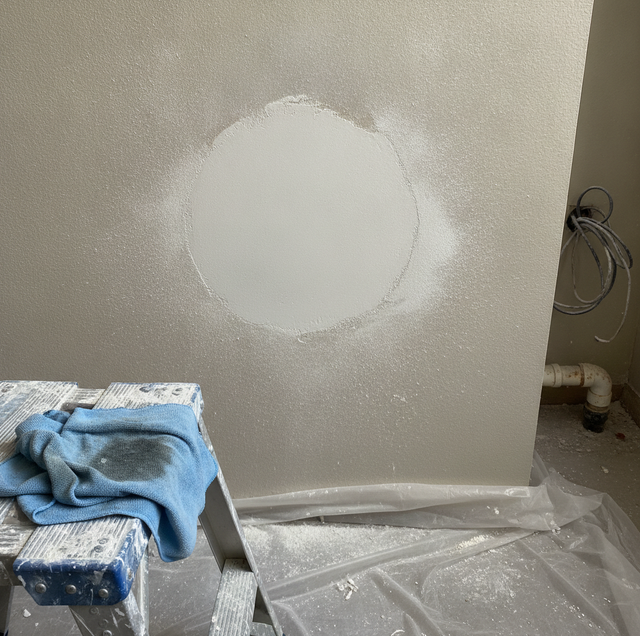
How to Prep a Wall for Painting: The 7 Steps That Make Paint Last
Roll fresh paint straight onto a dirty, glossy, or damaged wall, and it will let you down within a year. The color goes on fine. Then it starts to flake at the corners, or the old nail holes shadow through, or a stain bleeds up into the new coat. Almost every one of those failures traces back to the same place, and it is not the paint. It is the wall underneath it.
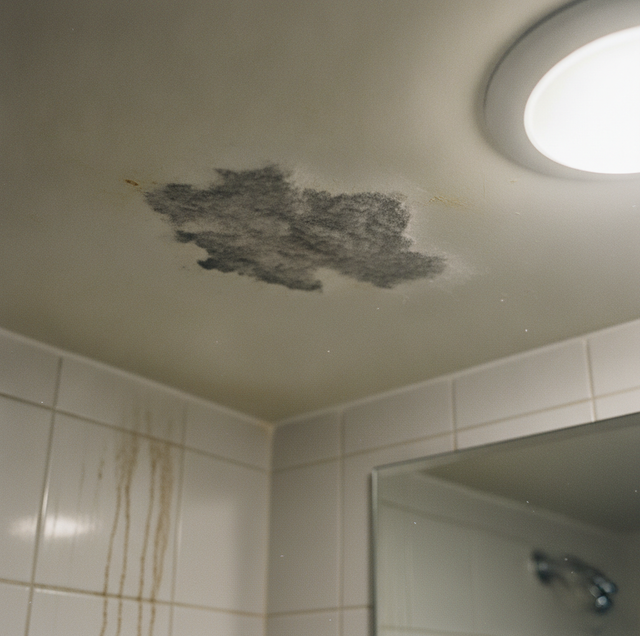
How to Choose Paint That Resists Moisture Without Blistering
Damp walls tell on the paint before you ever notice a leak. A bathroom ceiling grows a gray freckle above the shower, a kitchen wall behind the stove starts to bubble, an exterior soffit peels in sheets while the sunny side of the house stays fine. These are not random failures. They are the predictable result of moisture meeting a paint film that was never built to handle it, or was applied over a surface that was already wet or already growing something.
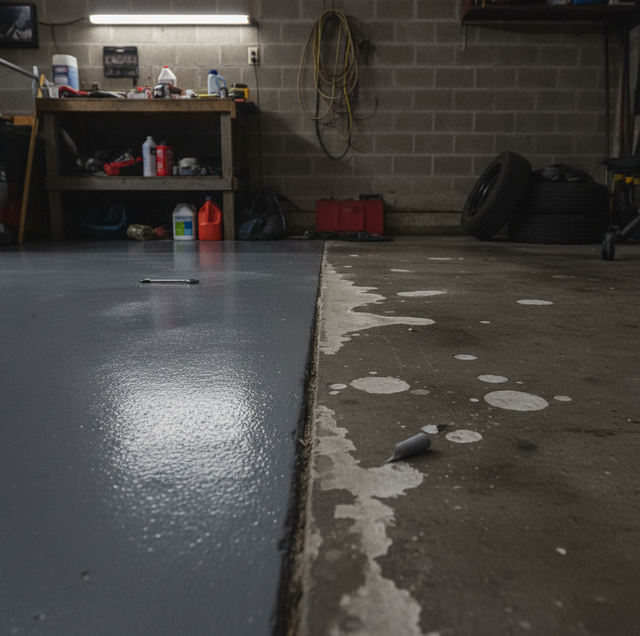
How Epoxy Floor Coating Actually Holds Up in a Garage
Walk into a garage with a good epoxy floor, and you can feel the difference underfoot before you understand it. The surface is hard, faintly glossy, and it shrugs off the drips and drags that would have stained bare concrete. Walk into a garage where someone rolled on a cheap kit two summers ago, and you'll see the other outcome: gray patches where the coating lifted, bubbles near the door, and a strip peeling up exactly where the car tires sit. Same product category, opposite results. The gap between those two floors is what this article is about.
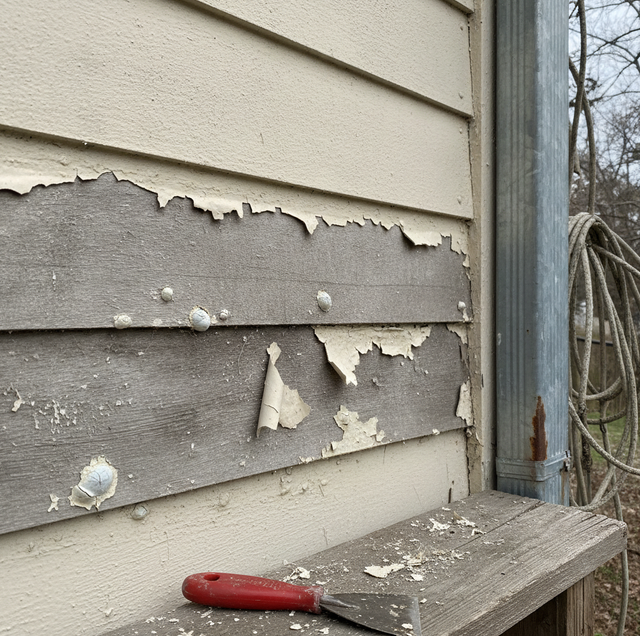
Why Is My Exterior Paint Peeling and Bubbling? The Real Culprit
Paint that peels and bubbles is telling you something, and it is rarely about the paint alone. When a coating lifts into blisters or flakes off a wall, the film has lost its grip on whatever it was supposed to stick to. Both problems come down to a broken bond, and in most cases, the thing breaking that bond is moisture. Understand where the water is coming from, or why the paint never held in the first place, and the repair stops being guesswork.
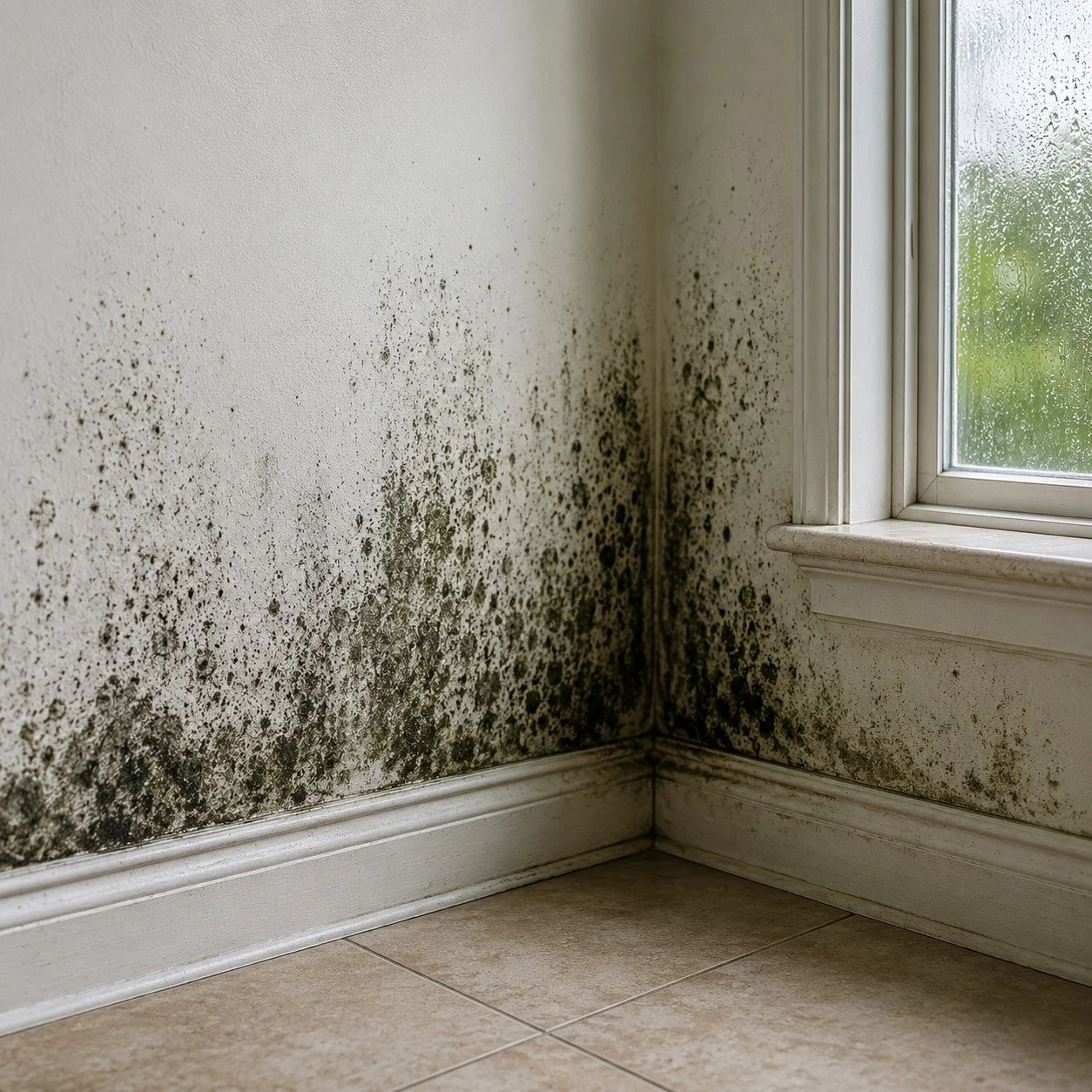
Why Mildew Keeps Growing on Your Painted Walls
Those black or greenish spots creeping across a wall aren't just dirt — they're mildew, and in humid Florida, they're a constant battle. You can wipe them off, but if they keep coming back, it's because the conditions that grow them are still there. Mildew isn't random; it grows where moisture, warmth, and still air meet, and Florida supplies all three. Understanding why it grows on your painted walls is the key to getting rid of it for good, rather than just cleaning it again and again.
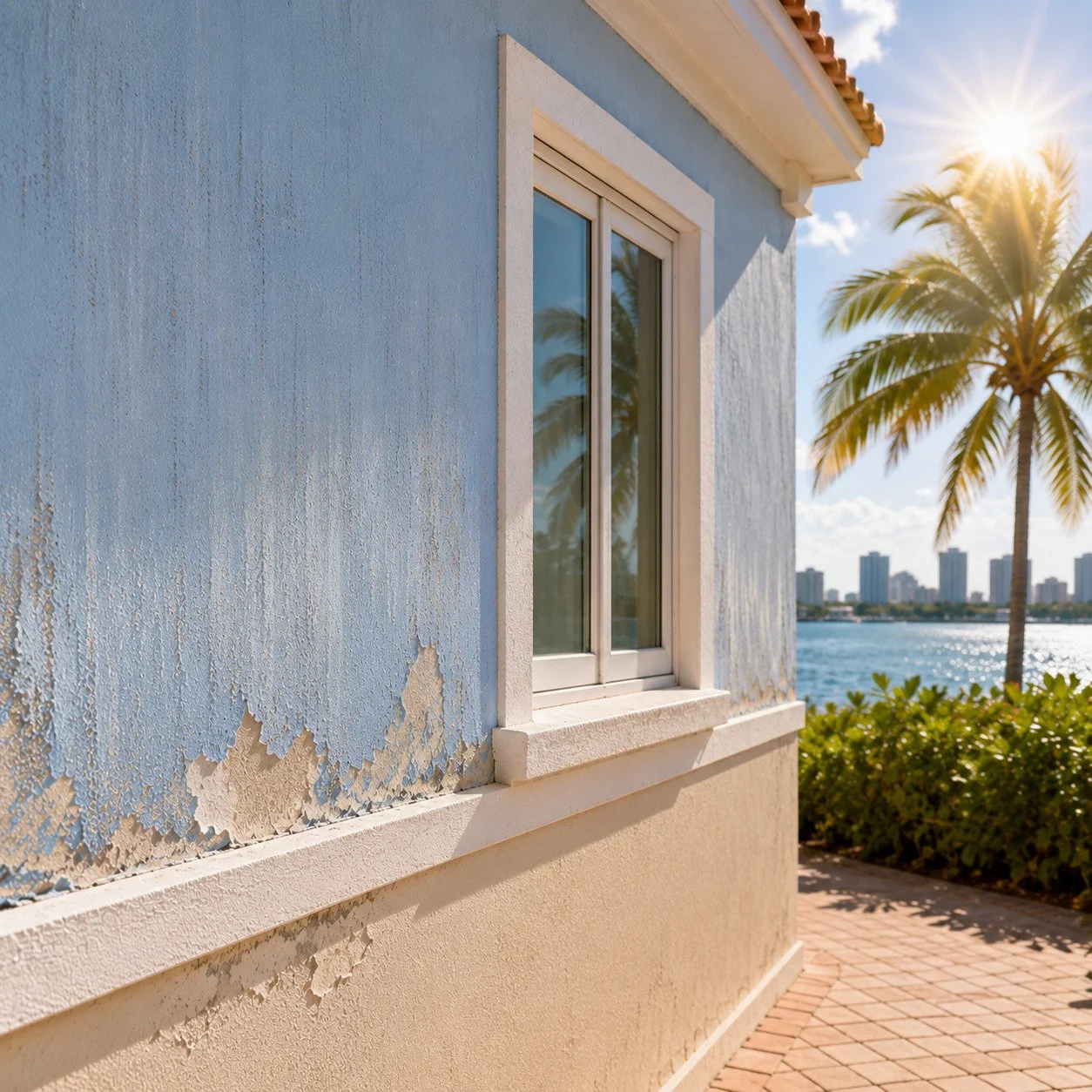
Why Miami Sun Fades Your Exterior Paint So Fast
You paint the house, it looks great, and a couple of years later, the color looks tired and washed out — far sooner than you'd expect. In Miami, fast-fading exterior paint is a familiar frustration, and it isn't bad paint or bad luck so much as the climate. Intense sun, relentless UV, heat, and humidity all gang up on a paint job here in ways milder climates never see. Understanding why paint fades so quickly explains how to make the next job last longer.
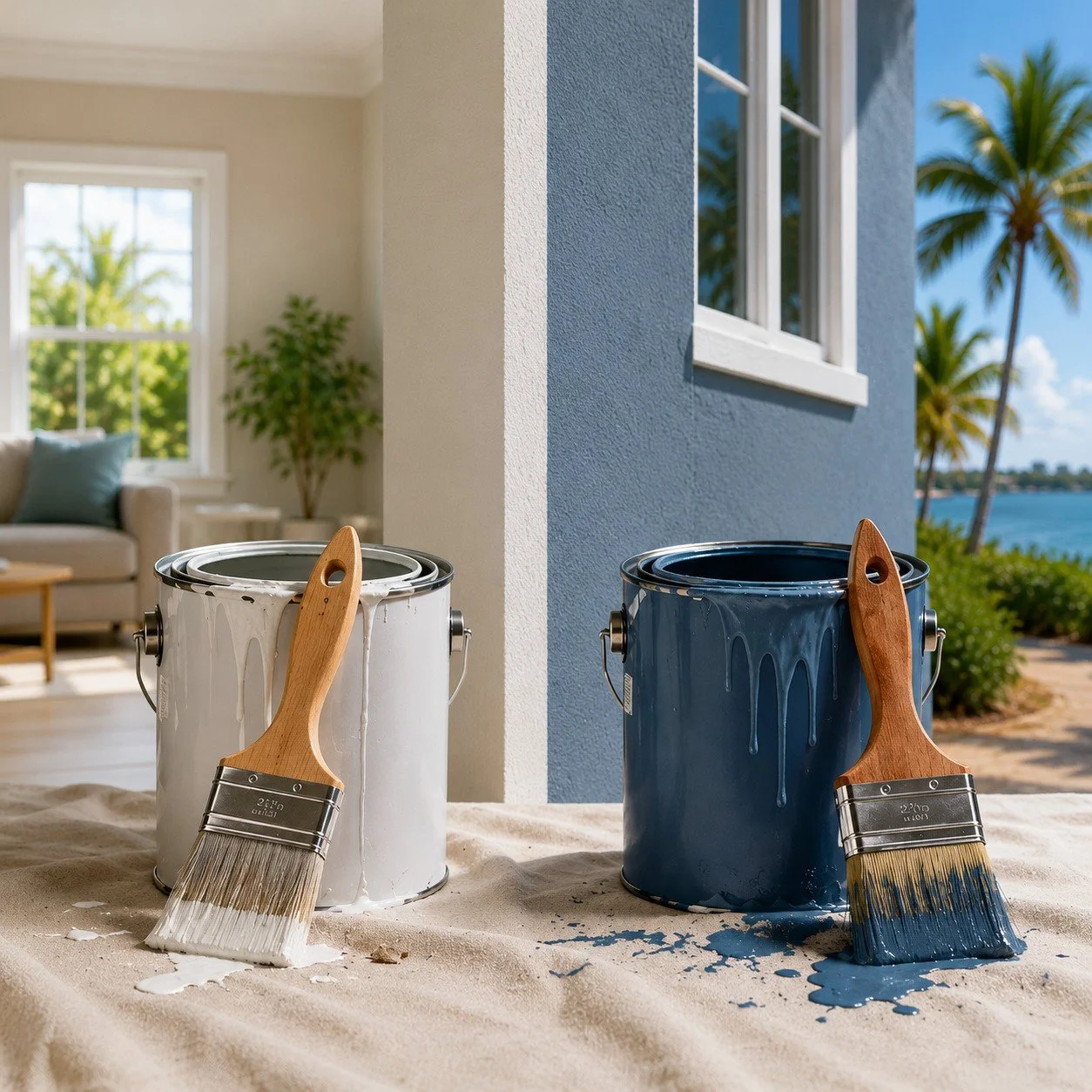
Interior vs. Exterior Paint: Why You Can't Swap Them
It looks like paint is paint — but interior and exterior paints are engineered very differently, right down to their ingredients, because they face completely different conditions. Use one where the other belongs, and you get a poor result, or indoors, fumes you didn't need. In a climate like Miami's, where exterior paint goes up against brutal sun and humidity, the differences matter even more. Here's what really separates the two and why each has its place.