
Holes Happen: Mastering the Art of Drywall Patching
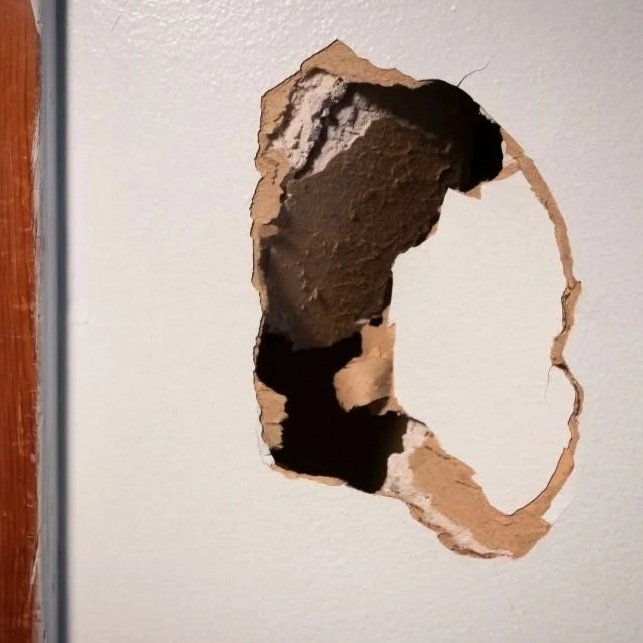
Holes, dents, and cracks are the inevitable reminders that homes are lived in, not museum displays.
When walls meet everyday life, things happen. Doors swing too wide, furniture corners scrape, or a well-aimed toy missile takes out a section of drywall. Holes, dents, and cracks are the inevitable reminders that homes are lived in, not museum displays. Professional drywall repair and patching restore that clean, smooth look, turning a once-blemished surface back into a flawless canvas. Behind the scenes, though, drywall patching is more of a craft than a quick fix. From assessing damage to applying the final coat of paint, it's a process that blends technique, patience, and a deep understanding of materials.
Understanding Drywall Damage
Every hole tells a story. Some are minor surface impressions caused by a doorknob or a moving box. Others run deeper, exposing insulation or framing behind the wall. Professionals start by diagnosing the type and cause of the damage before deciding on the best approach. A small nail hole left from artwork requires minimal patchwork, while a large puncture might call for a cutout replacement and reinforcement.
Moisture, settling, and impact are common culprits behind drywall damage. A home that has shifted slightly over time may show hairline cracks around corners or ceilings. Leaks from pipes or roofs can leave bubbles or soft spots that compromise the integrity of the drywall. Identifying the cause prevents repeat damage. Professionals don't just repair what's visible; they investigate what's beneath the surface to confirm the wall's structural health.
Preparation Makes Perfect
A solid patch starts with proper preparation. Professionals never rush into applying joint compound before the area is ready. The damaged section must be clean, dry, and free from loose debris. Any remaining paint or paper tears are smoothed down to create an even surface. If the hole is large, they cut a clean square around the damage rather than trying to fill irregular gaps. A backing support, often a piece of scrap wood or mesh, is then fitted behind the opening to anchor the patch securely.
Preparation also includes protecting the surrounding space. Drop cloths and plastic coverings keep dust from traveling to other parts of the home. Taping off trim or molding helps maintain a clean, professional finish. While homeowners may only see a simple wall repair, professionals know that half the success of drywall patching lies in the setup.
The Science Behind Seamless Patching
What separates a smooth repair from a noticeable one often comes down to technique. Professionals understand the science of applying joint compound, feathering, and drying times. The goal isn't simply to fill a hole, but to create a seamless blend between old and new materials. Multiple thin layers of compound are applied, each wider than the last, to gradually fade the patch line into the surrounding wall.
The drying process can't be rushed. Applying another layer before the previous one has cured properly can trap moisture and lead to uneven textures later. Once dry, sanding brings everything flush and ready for priming. The key is subtlety. A skilled technician sands just enough to level the surface without thinning the compound too much, keeping the integrity of the patch intact.
Matching Textures and Finishes
Flat walls are simple, but textured finishes require artistry. From orange peel to knockdown, texture matching is where drywall repair truly meets craftsmanship. Professionals study the existing pattern before recreating it using specialized tools, sponges, or spray equipment. Timing and pressure play major roles. A texture that looks right while wet can change once dry, so a trained eye is crucial to achieving consistency.
Texture blending also accounts for lighting conditions. The way shadows fall across a wall can highlight imperfections. Professionals test their work under various lighting angles to verify uniformity before priming and painting. The result is a finish that feels natural and original, not patched or altered.
Color Consistency for a Flawless Finish
Once the surface texture has been restored, attention shifts to color. Matching paint on repaired drywall can be tricky because even the same shade can look different depending on age, lighting, or surface sheen. Professionals use color-matching tools and samples to find the closest possible match. Sometimes, repainting an entire wall provides a more cohesive look than spot painting the repaired area.
Paint preparation is equally vital. Primer seals the new compound and prevents absorption differences between old and new surfaces. Without primer, patches can appear dull or uneven after painting. Professionals apply even coats with consistent technique, blending edges carefully to eliminate visible transitions.
Why Professional Drywall Repair Beats DIY
It's tempting to tackle drywall repair with a tub of joint compound and a putty knife. The results, however, often reveal the difference between an enthusiastic amateur and a seasoned professional. Small errors such as uneven sanding, improper drying, or mismatched textures can turn a minor patch into a noticeable blemish.
Professionals handle repairs with precision tools and practiced skills honed by experience. They understand how materials react under different humidity and temperature conditions. They also use dust-control systems and advanced sanding methods to keep homes clean and safe throughout the process. Beyond aesthetics, professional drywall patching also prevents future issues like peeling paint or structural weakness caused by hidden moisture or poor adhesion.
Handling Complex Wall Repairs
Some wall damage extends beyond basic patching. Cracked corners, joint separation, or recurring fissures may indicate underlying movement in the framing or foundation. Professionals inspect these areas closely to determine whether additional reinforcement or joint taping is required. When necessary, they use fiberglass mesh tape instead of paper to provide added durability against future cracking.
In cases of water damage, mold or mildew can appear behind the drywall. Removing affected sections safely and replacing them with fresh material is critical to maintaining indoor air quality. Professionals know how to spot the early signs of moisture infiltration and address the source before performing cosmetic repairs.
The Role of Tools in a Perfect Patch
The right tools make all the difference. A professional's toolkit includes taping knives of various sizes, sanding sponges, hawks, mixing paddles, and corner tools. Specialized lighting helps identify surface imperfections during sanding. Power sanders with dust extraction keep air clean and minimize cleanup time. Precision tools produce smoother edges and sharper transitions, resulting in a more polished outcome.
Using high-quality joint compound and adhesives also contributes to durability. Some repairs benefit from quick-setting compounds, while others call for all-purpose or lightweight options depending on the wall's texture and purpose. Knowing which materials to use in each situation confirms that the finished patch will hold up beautifully over time.
Time and Efficiency Matter
While a homeowner might spend an entire weekend patching one hole, professionals can repair multiple areas efficiently without cutting corners. Years of experience translate into faster, better results. They know exactly how long each coat should dry and how to schedule sanding and painting without wasting time or materials. Efficiency doesn't mean rushing; it means working with precision from start to finish.
Homeowners also save time by avoiding repeated fixes. A poorly patched wall often needs to be redone, while professional drywall repair lasts longer and looks cleaner. In occupied homes or commercial spaces, speed combined with minimal disruption is key. Professional crews often work around schedules, completing projects without interfering with daily routines.
Preventing Future Wall Damage
After the repair, professionals often provide advice on how to protect walls moving forward. Simple measures such as installing door stoppers, securing furniture properly, or adjusting hinges can prevent recurring dents or holes. In high-traffic areas, using harder drywall or adding protective corner guards can reduce wear.
Monitoring for early signs of damage also helps maintain wall integrity. Slight discoloration, bubbling paint, or faint lines could indicate moisture or stress issues that require attention. By addressing these signs early, homeowners can avoid extensive repairs later on.
When To Call The Pros
Knowing when to call for professional drywall repair and patching saves time, money, and frustration. Any hole larger than a coin, evidence of moisture, or damage affecting the wall's structure calls for expert attention. Professionals restore both form and function, leaving surfaces smooth and ready for repainting or retexturing. They also provide peace of mind by addressing hidden problems that might otherwise go unnoticed.
Minor imperfections can often lead to bigger issues if left unchecked. A small crack can spread due to temperature changes, and a poorly applied patch can bubble or peel over time. Professionals make it right the first time, preserving the space's beauty and value.
A Smooth Finish Is a Work of Art
Perfect drywall repair and patching are more than technical skills; they're an art form. Achieving a finish so flawless that the repair disappears entirely requires patience, precision, and a touch of craftsmanship. Walls are the backdrop of everyday life, and when they look good, everything else feels a little more polished. Professional drywall repair keeps homes looking their best, no matter how many accidental holes or cracks life decides to create.
For anyone facing wall damage, professional drywall repair and patching offer a clean, lasting, and seamless solution. Whether it's a single dent or multiple repairs after a renovation, experts make the difference between an obvious patch and a perfect finish that blends naturally with the rest of the space. Holes happen, but with the right hands, they don't have to stay that way.
Homeowners in Hialeah Gardens and beyond trust Vinicio Painting for professional and reliable interior painting services, including cabinet painting and refinishing, drywall repair, wallpaper removal, epoxy floor coating, and basement and attic painting. We combine traditional methods with modern innovations to create impressive interior surfaces. With over 20 years of experience, you can count on us to do the job right. Call today to learn more.
