
The Edge Effect: How Painted Trim Elevates Exteriors
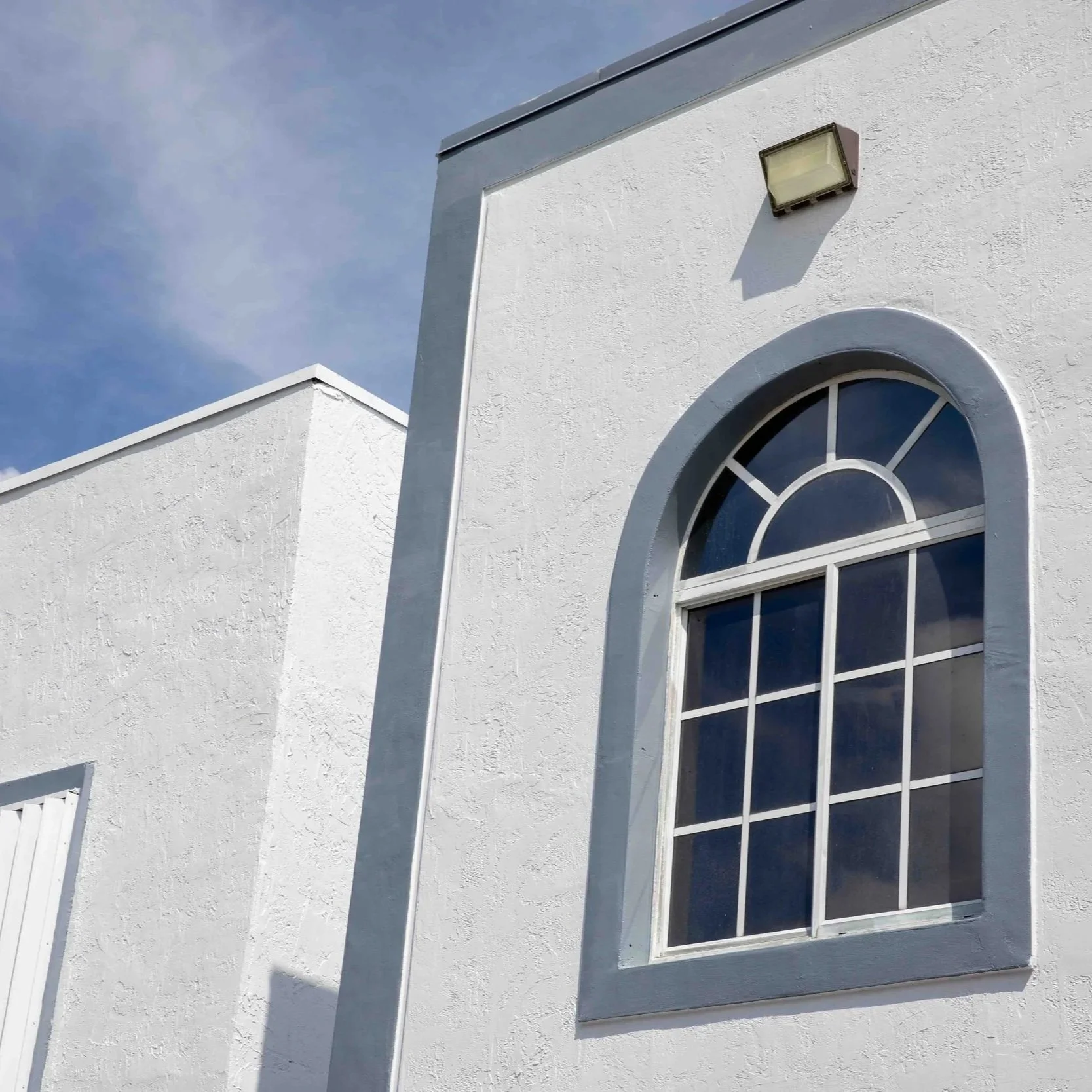
A polished frame brings the entire exterior together, and professionals who focus on exterior trim and soffit painting understand how much personality goes into every linear foot.
Fresh trim carries a quiet kind of power. Homeowners notice siding first, but trim and soffits create the real perimeter of curb appeal. A polished frame brings the entire exterior together, and professionals who focus on exterior trim and soffit painting understand how much personality goes into every linear foot. Small details amplify style in ways large surfaces rarely accomplish. A clean line around windows, a crisp corner on fascia, or a smooth stretch of soffit gives a home a finished presence that neighbors always spot before they ever mention it.
Painted trim changes how light hits the structure. A lighter shade opens up a facade by catching sunlight along edges. A darker accent intensifies texture and draws attention to architectural depth. Homeowners sometimes underestimate what a simple color shift can accomplish, yet professionals observe transformations every week as subtle upgrades turn into dramatic visual upgrades.
Exterior trim and soffit painting also helps protect wood, composite, and fiber cement from daily exposure. Homes battle sun, wind, humidity, and unexpected storms. Even the smallest gap turns into an invitation for moisture. A well-painted system blocks those weak spots and gives a property a tough outer layer. Once those areas receive the right coating, clients notice fewer maintenance issues and enjoy a smoother experience with their exterior surfaces.
The Role Of Trim In Exterior Design
Trim acts like the outline of every architectural feature. Painters pay close attention to these parts because they influence visual balance. Window trim, fascia boards, corner boards, and soffits all work together, even though each element carries its own purpose. When trim looks aged or faded, the entire home appears tired. A new coat adds clarity and structure. Homes feel more grounded. Rooflines look straighter. Entry points look more intentional.
Professional painters know how to amplify exterior themes through color. Traditional homes benefit from white or cream trim that brings symmetry and softness. Modern homes look sharper with charcoal or deep earth tones. Rustic homes look natural with muted browns that highlight stone or wood textures. Offering guidance helps clients avoid choices that might clash with their surroundings or local styles.
The Power Of Painted Soffits
Soffits often fade into the background, yet they protect rafters, allow ventilation, and carry a surprising amount of visual weight. When soffits discolor or peel, the entire underside of the roofline looks neglected. A beautifully painted soffit adds an unexpected layer of refinement. It brightens overhangs, makes porches more inviting, and creates a consistent border along the home.
Professionals evaluate soffit materials before painting them. Wood soffits need surface preparation and sealing. Aluminum requires cleaning and bonding primers. Vinyl responds well to specialty coatings that maintain flexibility. Experienced painters match the right product to the right material so clients receive a durable finish that maintains color through changing weather conditions.
Color Choices That Boost Curb Appeal
Color selection becomes an adventure for homeowners once they realize how trim affects architectural focus. A bright white trim creates clean definition around siding and brick. Soft grays soothe high contrast transitions. Navy and forest green along the trim can add richness without overwhelming other features. Using contrasting shades on soffits can also create a custom look that separates a home from neighboring structures.
Professionals guide clients by showing how natural light in their region affects color perception. Bright areas make bold colors appear stronger. Shady lots soften tones. Coastal regions experience more reflection. Dry climates intensify sunlight. Those factors influence how trim reads from the street, so expert insight helps homeowners land on choices that feel right from morning to evening.
Why Professional Trim Painting Matters
Painting trim involves precision work. Straight edges, tight corners, and small gaps need practiced techniques. Professional painters use quality brushes, sprayers, and tapes that hold lines without leaving residue. Clean edges make the entire exterior look intentional. Missed spots or uneven coverage stand out quickly because trim frames every other surface.
Prep work plays a major role. Trained painters sand rough areas, repair cracks, replace failing caulk, and prime surfaces before applying finish coats. Those steps matter because trim deals with constant movement from temperature changes. Proper preparation gives paint the stability it needs to resist peeling or cracking over time.
Long-Term Value Of Repainting Trim
Homeowners sometimes overlook trim maintenance because the pieces seem small compared to siding or roofing. Trim protects joints, and repainting increases longevity. Once the protective layer wears away, water intrusion becomes more likely. A regular repainting cycle helps avoid expensive repairs.
Professional services help homeowners track the trim condition. Trained eyes notice things clients usually miss, such as hairline cracks along fascia boards or early signs of wood rot around window frames. Early intervention keeps small issues manageable.
Repainting also supports long-term property value. Buyers immediately notice how well a home has been maintained. A polished exterior creates confidence and sets expectations for the rest of the property.
How Painted Trim Helps Older Homes
Older properties often carry charming features that benefit from professional trim painting. Weathered wood can return to life with the right primer and topcoat combination. Intricate trim profiles also look more defined once professionals restore them with slow, careful work. Painted soffits in older homes brighten entryways and reveal original craftsmanship that may have been hiding behind years of patchy color.
Painting older homes sometimes involves specialty products designed for aging materials. Professionals know how to work with lead safe practices when needed and approach fragile surfaces with caution. Clients receive an updated look while preserving the character that made the home special in the first place.
The Impact On Energy Performance
Trim and soffits support ventilation around the roof and attic areas. When soffits stay protected with a quality coating, ventilation systems operate more efficiently. Clean surfaces also improve airflow through screened openings. Balanced ventilation can prevent overheating, reduce attic strain, and help cooling systems work with less effort.
Sealed cracks around trim also prevent drafts. That improvement helps maintain comfortable indoor temperatures. It sounds like a small perk, but homeowners usually appreciate the change once they experience fewer hot spots or cold corners throughout the interior.
How Professionals Approach Surface Prep
Preparation shapes the final result more than most homeowners realize. Professionals begin by washing trim and soffits to remove dirt, mildew, and old residue. Once the surfaces dry, the loose paint gets scraped away. Sanding smooths rough edges. Caulking fills gaps or small cracks that could absorb moisture. Primers lock everything into place before color coats arrive.
Each step supports adhesion and durability. When surfaces receive careful prep, the finish looks smoother, lasts longer, and resists fading. Skipping prep work often leads to early peeling, patchy color, or visible brush strokes. Professional services remove those frustrations by treating prep as a core part of the process.
Weather Considerations During Exterior Painting
Exterior trim painting requires the right weather window. Temperature, humidity, and sunlight all influence how paint settles. Professionals monitor forecasts before scheduling work. Hot days dry paint too fast. Cool evenings slow curing. Wind can blow debris onto fresh surfaces. The ideal conditions help paint extend and bond evenly.
Clients appreciate it when painters guide them through scheduling. An organized timeline helps avoid delays or weather complications. Once work begins under the right conditions, the project progresses smoothly.
Why Soffit And Trim Work Belongs To Professionals
Working along rooflines and ladder setups carries safety considerations. Tight angles, uneven ground, and high points introduce risk. Experienced crews follow safe setups, use stable equipment, and understand how to work efficiently while maintaining balance and control.
Painters also know how to integrate trim and soffit work with the rest of the exterior. They match sheen levels, blend corner transitions, and create consistent results from the foundation to the roofline. That level of coordination brings the entire exterior together in a cohesive way.
Protecting Exterior Elements Through Paint
The weather constantly tries to trim down. Sun exposure causes fading. Moisture creates expansion. Wind brings debris impact. A high-quality paint system locks out those threats by forming a protective shell. Once applied by professionals, the coating acts as a barrier against seasonal challenges.
Painting also protects trim from the natural oils in human hands. Door frames, porch supports, and railings experience frequent contact. Paint positioned correctly reduces the effects of oils and maintains color clarity.
Choosing The Right Paint For Trim
Paint selection influences longevity. Professionals examine sheen, composition, and application requirements. Satin finishes offer a subtle sheen and hide imperfections well. Semi-gloss options create a crisp, reflective look. Each surface receives a product matched to its condition and exposure level.
Exterior-specific paints hold color longer and resist UV fade. Some formulas provide mildew resistance. Others focus on flexibility to support trim that expands and contracts throughout the year. Combining the right formula with the right application method gives clients a reliable finish that lasts.
How Trim And Soffits Influence First Impressions
Curb appeal starts with edges. Visitors judge the home within seconds, often noticing trim lines before absorbing larger surfaces. Beautiful trim frames the entire property and makes the structure feel intentional. Even neutral colors add charm when applied with care.
Refreshed soffits highlight porch light, doorway accents, and landscaping. They brighten shaded areas and create a welcoming feel for guests. Homeowners who invest in professional trim painting often receive compliments from neighbors soon after.
Maintaining Painted Trim After Completion
Once the project finishes, maintenance stays simple. Occasional cleaning with mild soap removes dust or pollen. Quick inspections after storms help homeowners catch minor issues early. Professionals often offer maintenance tips or periodic checkups so homeowners continue to enjoy strong performance from the freshly painted areas.
A tidy maintenance routine keeps trim and soffits looking new far longer than expected. Homeowners enjoy less frequent repainting cycles and appreciate how neatly the exterior ages.
Vinicio Painting offers interior house painting, wall and ceiling painting, trim, baseboard, and crown molding painting, and stairwell and banister painting services to Hialeah Gardens, FL, residents. Our team uses top-quality materials to protect your home and maintain durable surfaces. Get your free quote today!
Exterior Trim & Soffit Painting FAQs for Home Maintenance
How often should exterior trim be repainted in my region?
Most homes benefit from repainting trim every three to seven years, depending on local climate, sun exposure, and material type. Professional painters can evaluate surfaces to recommend the right schedule.
Why do soffits peel faster than other exterior areas?
Soffits experience rising heat from attic spaces, along with exterior moisture. When coatings age, they lose their protective strength and begin peeling. A professional repainting restores that protection.
Can trim be repaired before painting?
Yes. Small cracks, rotted sections, and loose boards can be repaired or replaced before painting. Professional painters prepare surfaces thoroughly so the final result looks consistent.
Do painted soffits improve ventilation?
Clean, intact soffits help ventilation systems work more effectively by keeping openings free from debris and deterioration. A quality paint job supports proper airflow.
What paint works best for exterior trim?
Exterior grade paints designed for weather resistance, UV stability, and flexibility perform best. Professionals select formulas that match specific trim materials and weather patterns in the area.
The team at Vinicio Painting can handle a wide range of exterior painting projects in Hialeah Gardens, including fence painting, garage door restoration, exterior trim and soffit painting, and entry gate painting. Our punctual crew are well-equipped to ensure excellent outcomes. Call us to learn more and get a free quote.
