
The Small Details That Frame the Big Picture
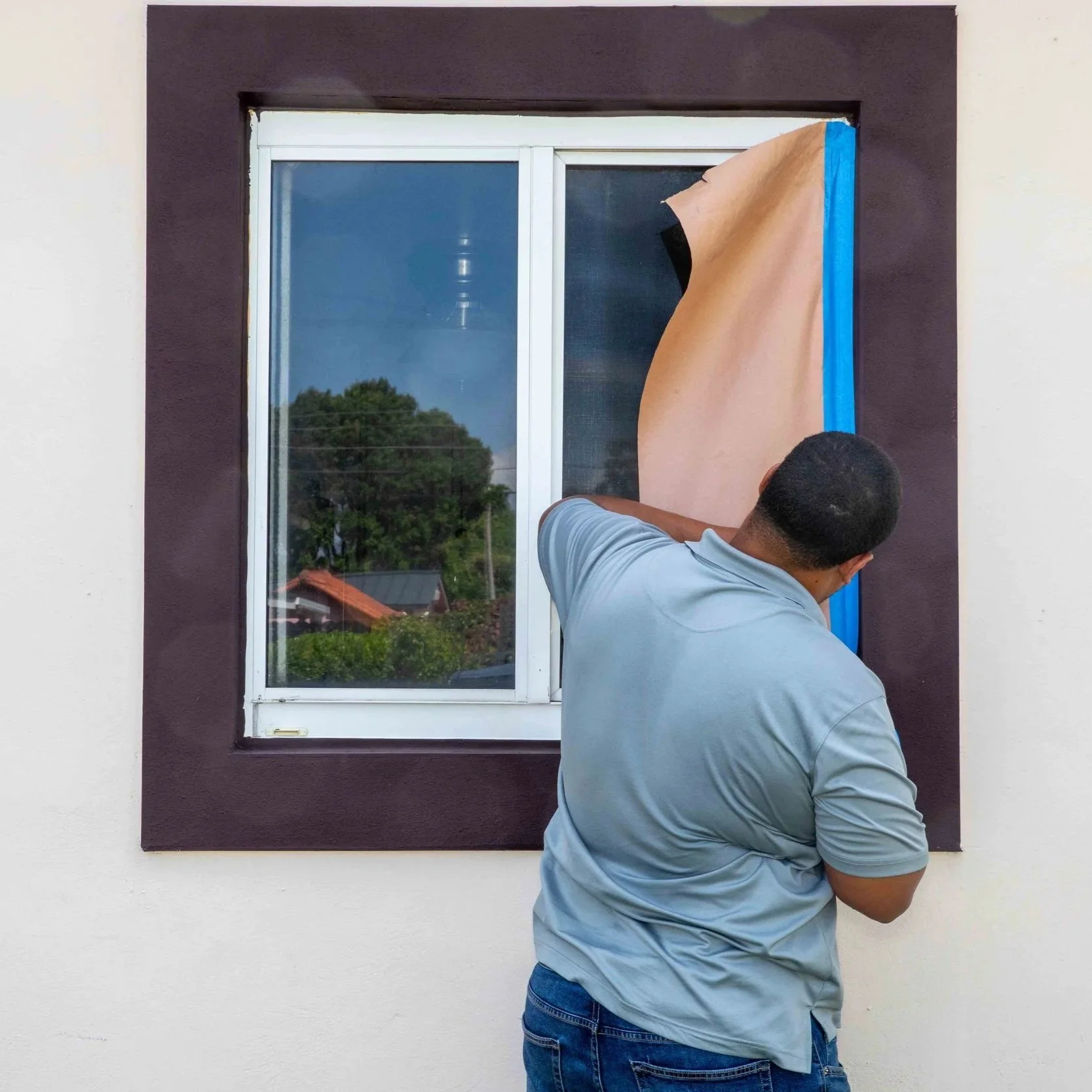
Painting trim, baseboards, and crown molding requires a level of craftsmanship that separates a good paint job from a professional one.
When a homeowner invests in painting, the mind usually jumps to color swatches, accent walls, or that perfect finish for a living room centerpiece. Yet, the true artistry often hides in plain sight along the borders of the room, trim, baseboards, and crown molding. These architectural details frame every wall, window, and doorway, pulling the entire design together like the matting on a beautiful painting. At Vinicio Painting, where precision meets personality, these subtle elements are treated as the heroes of the home’s aesthetic story.
Painting trim, baseboards, and crown molding requires a level of craftsmanship that separates a good paint job from a professional one. It’s not just about brushing on color. It’s about technique, texture, lighting, and flow, where walls meet floors and ceilings, harmony meets detail. Homeowners deserve a finish that elevates each space, adds value, and reflects the same care that went into every other part of their home.
Perfecting The Art Of Trim Painting
Trim is the visual punctuation of every room. It defines transitions, highlights structure, and adds polish to a home’s interior. The tricky part is its visibility; imperfections stand out immediately. A professional painter knows that crisp lines, smooth surfaces, and proper prep work are everything.
Before a single brushstroke lands, trim must be cleaned, sanded, and primed to create a flawless foundation. Professionals use the right blend of primer and paint designed for high-touch areas, since trim is constantly in contact, from furniture movement to vacuum brushes. Once the surface is ready, painters apply thin, even coats that prevent brush marks while maintaining coverage.
Color selection is also key. White or off-white is timeless and crisp, but homeowners increasingly choose contrast shades that complement wall colors or flooring tones. Think deep charcoal against soft gray walls or cream trim framing bold jewel-toned rooms. Trim painting creates the perfect edge that visually sharpens a room, whether it’s subtle or dramatic.
Why Baseboards Deserve More Attention
Baseboards may sit low and quiet, but they’re vital for visual balance. They create a visual anchor for the room, grounding the walls and helping define space transitions. Unfortunately, baseboards often absorb the brunt of household wear, from shoe scuffs to vacuum collisions. That’s why professional painters treat them as both functional and decorative.
A clean, freshly painted baseboard can make a floor look newer and a wall appear straighter—the secret lies in the prep work. Dust, pet hair, and floor residue can affect adhesion, which is why a thorough cleaning and sanding come first. Once the surface is ready, painters use semi-gloss or satin finishes that resist dirt and are easier to wipe clean.
In design terms, baseboards act like the visual boundary line between a home’s structural elements. When paired with painted trim and crown molding, they create a consistent aesthetic language across rooms. For homeowners who want to modernize interiors without an expensive renovation, repainting baseboards and trim delivers an instant transformation.
Crown Molding: The Finishing Touch Of Elegance
Crown molding has always symbolized craftsmanship and luxury. Installed where the wall meets the ceiling, it draws the eye upward, making ceilings feel taller and rooms feel more spacious. When professionally painted, crown molding adds dimension and refinement, elevating an entire home’s personality.
Painting crown molding presents its own challenges. It’s high, detailed, and often layered with ornate designs that demand meticulous attention. Professionals use specialty brushes and ladders to apply crown molding, ensuring precise application without drips or streaks. The goal is to highlight the molding’s character, not drown it in heavy coats.
Color choice matters too. While white remains a favorite for its timeless appeal, designers are experimenting with two-tone styles, soft metallics for a hint of shimmer, or darker trims to contrast light walls. The right color balance gives crown molding an elegant lift without stealing attention from the rest of the room.
Professional painters understand that crown molding doesn’t just complete a space; it defines it. Each stroke contributes to how light and shadow play across the ceiling line, giving rooms a sense of movement and sophistication.
The Science Behind Professional Painting Techniques
Precision painting involves more than artistic flair. It’s a science of materials, tools, and applications. Professional painters at Vinicio Painting use specific brush sizes, angled sash brushes, and low-tack tape designed for smooth surfaces like trim and molding. The aim is clean, defined lines that perfectly separate wall and woodwork.
Drying times, humidity control, and layering technique also matter. Applying paint too thickly or too quickly can lead to drips, uneven texture, and dull finish. Professionals know when to pause, when to sand between coats, and when to apply final touches for sheen consistency. The process might look effortless, but it’s guided by years of experience and precision standards.
A professional painter also selects paint formulated for high durability and easy maintenance. Trim and molding experience constant exposure to light and movement, so long-lasting finishes protect both aesthetics and investment.
How Trim, Baseboard, And Crown Molding Unite A Space
When painted together with intention, trim, baseboards, and crown molding tie the room’s visual story together. They guide the eye across surfaces, outline architectural features, and frame furnishings cohesively.
Imagine walking into a newly painted room where every corner, frame, and edge gleams in harmony. The crown molding softly reflects light, the trim highlights doors and windows, and the baseboards ground the space with clean geometry. It’s not just paint, it’s polish and proportion meeting artistry.
Professional painting turns these elements into a unified design statement. Even subtle differences in color tone or finish can transform how walls appear under daylight versus indoor lighting. Whether a homeowner wants a classic white-on-white look or striking contrasts that add drama, experts craft the right combination to complement existing décor.
Why Professional Expertise Makes A Difference
DIY painting might seem tempting for smaller surfaces, but trim and molding are among the most complex elements to get right without professional skill. Uneven brushwork or overlapping wall paint can quickly ruin the look. A professional painter doesn’t just paint; they protect adjacent surfaces, achieve razor-sharp lines, and leave a finish that withstands daily wear.
Experienced painters also understand environmental conditions, humidity levels, and material behavior, all of which affect paint performance. That knowledge is invaluable when choosing products that resist cracking or peeling over time.
Beyond technical skill, professionals bring an eye for proportion and design continuity. They evaluate how color and sheen interact throughout the home, ensuring baseboards flow seamlessly into door casings, and crown molding enhances rather than competes with lighting features.
Transforming Interiors With Trim Painting Updates
Refreshing trim, baseboards, and crown molding can modernize interiors faster and more affordably than full remodeling. It’s one of the most effective ways to elevate property value while staying within a realistic budget.
Homeowners often underestimate how much visual weight these features carry. A room can feel instantly brighter and cleaner after repainting the trim alone. Paired with updated wall colors or lighting, it gives a home that “finished” look associated with new construction or designer-level interiors.
For businesses, detailed trim and molding painting conveys professionalism and quality, especially in offices, storefronts, and showrooms. Crisp lines and uniform finishes signal attention to detail, something clients and customers notice subconsciously the moment they enter.
Common Mistakes Homeowners Make
Even with the best intentions, trim and molding painting can go wrong fast without the right tools or prep. One common mistake is skipping sanding between coats. Paint adhesion relies on a smooth, clean surface, and gloss finishes highlight every flaw.
Another misstep is using the wrong type of brush or paint. Wall rollers and flat brushes can’t reach the intricate corners and grooves of molding, leading to uneven coverage and drips. Professionals invest in specialty brushes and know the exact pressure to apply for each contour.
Taping errors are another culprit. Low-quality tape can bleed, lifting paint when removed. Professionals use painter’s tape designed for delicate surfaces and remove it while the paint is slightly wet for sharp edges.
Neglecting drying time can also sabotage results. Patience is part of professionalism. Each layer must cure before the next to achieve depth and durability.
Caring For Painted Trim, Baseboards, And Molding
After a professional paint job, a little maintenance goes a long way toward keeping it beautiful. Gentle cleaning with mild soap and water prevents dirt buildup, especially along baseboards and door frames. Homeowners should avoid abrasive pads or harsh chemicals that dull the finish.
Regular inspection for chips or scuffs allows quick touch-ups before they spread. In high-traffic areas, repainting every few years keeps the entire home looking fresh. Professional painters often keep color records and product details on file, making reapplication seamless.
Controlling indoor humidity also helps maintain the integrity of painted molding and trim. A consistent climate keeps wood expansion minimal and prevents cracking or peeling paint.
The Aesthetic Payoff Of Professional Detailing
Painting trim, baseboards, and crown molding might seem like a small detail, but together they define a space's polish. In many cases, it’s the first thing visitors notice, even subconsciously. Clean lines, balanced contrast, and uniform texture tell a story of care, precision, and quality.
In home design, details separate the ordinary from the extraordinary. Professionally painted molding and trim not only highlight architectural craftsmanship but also enhance natural light, making rooms appear more open and inviting. When handled by experts like Vinicio Painting, these features stop being background elements; they become integral parts of the home’s visual narrative.
Investing in professional painting of trim, baseboards, and crown molding is more than an aesthetic choice; it’s a strategic one. It preserves the integrity of the surfaces, boosts property appeal, and creates a cohesive, well-designed environment that feels complete in every corner.
Vinicio Painting offers interior house painting, wall and ceiling painting, trim, baseboard, and crown molding painting, and stairwell and banister painting services to Hialeah Gardens, FL, residents. Our team uses top-quality materials to protect your home and maintain durable surfaces. Get your free quote today!
