
How Florida Humidity Quietly Ruins a Paint Job
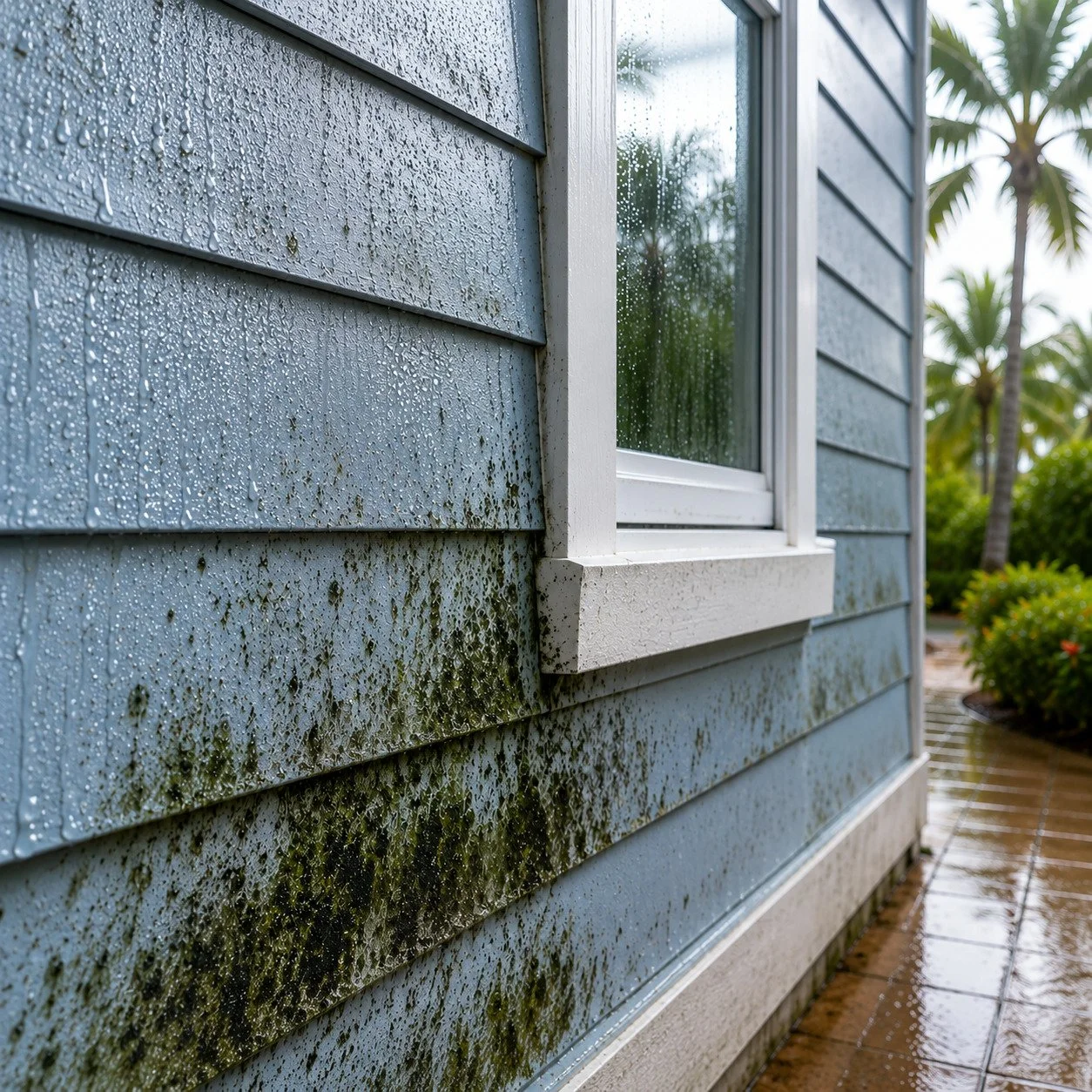
Quick Answer: Florida's high humidity affects a paint job in several ways: it slows drying and proper curing because the air is already full of moisture, it can cause adhesion problems and finish issues if paint goes on a damp surface or in very humid conditions, and the constant moisture feeds mildew and mold growth on painted surfaces. The result can be a finish that doesn't cure right, fails sooner, or grows mildew. Working around it means painting on dry surfaces in suitable conditions, using quality paint with mildew resistance, and proper prep. Humidity is a real factor here, not an afterthought.
In most of the country, painters think about temperature. In Florida, humidity is the bigger story. The constant moisture in the air does real things to a paint job — to how it dries, how well it sticks, how long it lasts, and whether mildew takes hold. Ignore it, and you get a finish that fails early or grows mold; work with it, and the paint holds up. Understanding how humidity affects paint is the key to a job that lasts in a climate this damp.
Paint and Moisture Don't Mix Well
Paint needs to dry and cure properly to form a durable finish, and that process depends on moisture leaving the paint and the surface. Florida's high humidity works against that because the air is already saturated with moisture. When the surrounding air and surfaces are damp, the paint can't dry and cure the way it should, which affects everything that follows — adhesion, finish quality, and longevity. So humidity isn't a minor detail here; it's a force that shapes whether a paint job succeeds, which is why painting in Florida means working around the moisture rather than ignoring it.
How Humidity Affects the Paint
Slower Drying and Curing
High humidity slows down how quickly paint dries and cures. Because the air is already full of moisture, the paint releases its own moisture more slowly, extending drying times and the time it takes to fully cure into a durable film. Paint that stays wet longer is more vulnerable during that window, and rushing the next coat or exposure before it's ready causes problems.
Adhesion and Finish Problems
Painting on a damp surface or in very humid conditions can hurt how well the paint adheres and how the finish turns out. Moisture between the paint and the surface, or in the curing film, can lead to poor adhesion, an uneven finish, or premature failure, like peeling. A surface that feels dry can still hold moisture in humid conditions, which is why prep and timing matter.
Mildew and Mold Growth
This is a big one in Florida. The constant humidity and moisture create ideal conditions for mildew and mold to grow on painted surfaces, especially exteriors and damp areas. Mildew mars the finish with spots and discoloration, and is a recurring battle in a humid climate. Paint without mildew resistance, on surfaces that stay damp, is prone to it.
| Humidity effect | What it causes |
|---|---|
| Slows drying/curing | Longer dry times, vulnerable finish |
| Damp surface/air during painting | Poor adhesion, uneven finish, peeling |
| Constant moisture afterward | Mildew and mold growth |
| Moisture in the surface | Adhesion failure even if it looks dry |
How to Work Around the Humidity
Because humidity is unavoidable in Florida, a lasting paint job comes from working with it rather than against it. Painting on dry surfaces is essential — making sure the surface is genuinely dry, not just dry to the touch, before painting, and choosing conditions and timing that aren't excessively humid or wet. Using high-quality paint, including mildew-resistant exterior paint, helps the finish withstand moisture and fight the mildew the climate encourages. Proper surface preparation gives the paint a sound, clean base to adhere to. And allowing adequate drying and curing time, accounting for the slower pace humidity causes, lets the finish set up properly before it's exposed or recoated. An experienced Florida painter plans around the humidity as a matter of routine, which is a big part of why a professional job holds up better than one that ignores the moisture.
In Florida, "dry to the touch" isn't the same as "ready." Humidity slows curing, so giving paint extra time before recoating or exposing it — and making sure surfaces are truly dry before painting — prevents the adhesion and finish problems that come from rushing in a damp climate.
Frequently Asked Questions
High humidity slows down how quickly paint dries and cures. Paint dries by releasing moisture, but when the surrounding air is already saturated with moisture, that process slows, extending drying times and the time it takes to fully cure into a durable finish. Paint that stays wet longer is more vulnerable during that window, so in humid Florida conditions, it's important to allow extra drying and curing time and avoid rushing the next coat or exposing the finish before it's ready.
You can, but you have to work around the humidity. Painting on genuinely dry surfaces, choosing conditions and timing that aren't excessively humid or wet, and allowing for the slower drying and curing that humidity causes are all important. Painting on a damp surface or in very humid conditions risks poor adhesion, an uneven finish, and premature failure. Because some humidity is unavoidable here, an experienced painter plans around it rather than ignoring it, which is what produces a finish that lasts.
Because Florida's constant humidity and moisture create ideal conditions for mildew and mold to grow on painted surfaces, especially exteriors and damp areas. The persistent dampness feeds the growth, which shows up as spots and discoloration that mar the finish. Paint without mildew resistance, on surfaces that stay damp, is especially prone to it. Using quality paint with mildew resistance and keeping surfaces as dry as possible helps fight the mildew that the humid climate encourages.
It can, if the paint goes on damp surfaces or in poor conditions and can't cure properly. Moisture interfering with drying and curing can lead to poor adhesion and premature failure, like peeling, and the constant moisture afterward feeds mildew that mars the finish. Painting on dry surfaces in suitable conditions, using quality mildew-resistant paint, and allowing proper curing time helps the finish last despite the humidity. Ignoring the moisture is what tends to make a Florida paint job fail early.
Experienced Florida painters plan around the humidity as a routine. They make sure surfaces are genuinely dry before painting, choose timing and conditions that aren't excessively humid or wet, use quality paint with mildew resistance suited to the climate, prep surfaces properly, and allow adequate drying and curing time, accounting for the slower pace humidity causes. This attention to the moisture is a big part of why a professional job holds up better than one that treats Florida's humidity as an afterthought.
Work With the Moisture, Not Against It
Florida's humidity shapes a paint job from start to finish — slowing drying and curing, threatening adhesion and finish if paint goes on damp, and feeding the mildew that thrives in the constant moisture. Treating humidity as a real factor rather than an afterthought is what separates a lasting finish from one that fails early or grows mold. Paint on truly dry surfaces in suitable conditions, use quality mildew-resistant paint, prep properly, and allow for slower curing. Work with the moisture this way, and a paint job holds up even in Florida's damp. Ignore it, and even good paint can fail early or grow mildew, which is why moisture-aware prep and timing matter as much here as the paint itself, and why an experienced local painter is worth having for a job that needs to last in this climate.
Want a paint job that holds up to Florida's humidity? — Get expert prep, quality mildew-resistant paint, and proper timing from a Miami painting team. Vinicio Painting serves Hialeah Gardens, Miami Lakes, Doral. Call (866) 444-1226.
