
How to Choose Paint That Resists Moisture Without Blistering
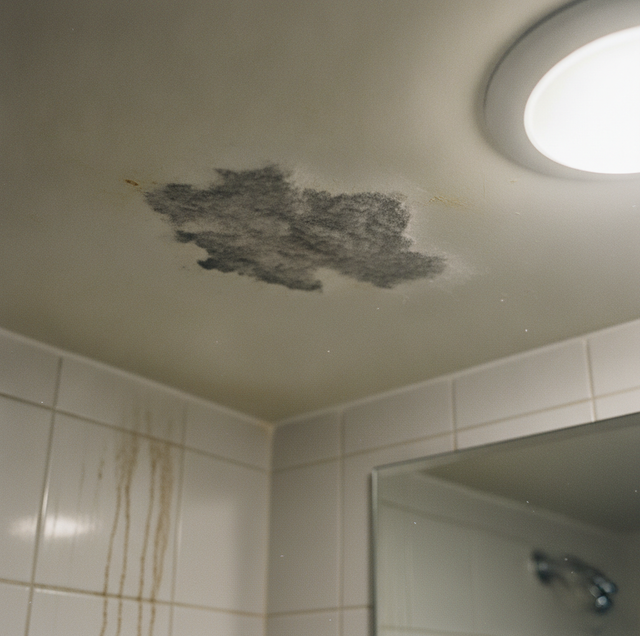
Damp walls tell on the paint before you ever notice a leak. A bathroom ceiling grows a gray freckle above the shower, a kitchen wall behind the stove starts to bubble, an exterior soffit peels in sheets while the sunny side of the house stays fine. These are not random failures. They are the predictable result of moisture meeting a paint film that was never built to handle it, or was applied over a surface that was already wet or already growing something.
Choosing paint for a moisture-prone area is less about the label promise and more about matching the coating, the sheen, and the primer to what the surface actually does with water. Get the mechanism right first, and the product choice mostly follows.
Why Paint Fails In Damp And Humid Conditions
Paint fails around moisture in three main ways, and they often overlap.
The first is mildew growth. Mildew is a surface fungus that feeds on the dirt, oils, and even some binders sitting on a painted wall. It needs three things: moisture, a food source, and still air. A shower wall, a north-facing exterior that stays shaded and slow to dry, the wall behind a dresser with no air movement, all of these check every box. The gray or black speckling you see is the colony itself, not a stain leaching from behind.
The second is blistering and peeling, driven by trapped vapor. Paint is not fully solid once cured; a good coating breathes, letting water vapor pass slowly through the film. When a coating is too tight, or when liquid water gets behind it from a leak or from the wrong side, the moisture has nowhere to go. It collects under the film, lifts it into a blister, and eventually the blister breaks and peels. This is why painting the exterior of a wall that is wet from the inside almost guarantees peeling.
The third is poor adhesion. Paint bonds to a surface as it dries and the film knits together. If the surface is damp, dusty, chalky, or already coated in mildew, that bond never fully forms. The paint may look fine for a season, then release at the first stretch of high humidity because it was only ever sitting on top, not gripping.
Think of the paint film like a rain jacket. A good jacket keeps rain out but still lets your sweat escape as vapor, so you stay dry inside. A cheap plastic poncho blocks the rain and traps every bit of that vapor, so you end up soaked from within. Paint works the same way: you want a film that resists liquid water from the front while still letting vapor move through, not one that seals moisture in behind it.
Start With The Binder: Choose 100% Acrylic Latex
The single most important choice for damp areas is the type of resin, or binder, holding the paint together. For moisture resistance, reach for a 100% acrylic latex.
Many mid-priced interior paints use a vinyl-acrylic blend, which cuts cost by mixing cheaper vinyl resin into the acrylic. The blend works fine on a dry living room wall. In humidity, it is a weaker performer. An all-acrylic binder stays more flexible as temperature and humidity swing, so the film expands and contracts with the wall instead of cracking, and it grips a properly prepared surface more tenaciously. It also handles repeated damp-and-dry cycling without breaking down as fast. In a wet room or on an exterior wall, that flexibility and adhesion are exactly what keep the film intact.
The trade-off is cost, and that is the honest reason cheaper lines lean on vinyl. For a closet in a dry house, it does not matter. For anywhere moisture is a regular visitor, the all-acrylic film earns its place.
Look For Mildew Resistance, But Read It Correctly
Many bathroom, kitchen, and exterior paints are sold as mildew-resistant. These contain a mildewcide, an additive mixed into the paint that discourages fungus from taking hold on the dried film. It is a genuine help in rooms that stay humid.
Understand what it is and is not. The mildewcide slows regrowth on the paint surface. It does not waterproof the wall, and it does not overcome a wet surface. Manufacturers describe these products as resisting mildew, not preventing mold outright, and that distinction matters: the additive buys time on the film, but if the wall behind stays wet, growth will continue regardless of what is in the can. Treat mildew resistance as one useful property stacked on top of good prep and a fixed moisture source, never as a substitute for them.
Match The Sheen To The Room
Sheen is not only a look. The glossier the finish, the tighter and less porous the film, which changes how it handles water.
In a bathroom, a laundry room, a kitchen, or any space that sees steam and splashing, choose satin or semi-gloss over flat. The higher-sheen film has a smoother, more closed surface that sheds water rather than absorbing it, and it wipes clean when mildew or grime does start to settle. Flat paint is porous by design; that microscopic roughness is what makes it hide wall imperfections, but it also holds moisture, dirt, and stains, and it is far harder to scrub without burnishing.
The practical rule: the wetter and more scrubbed the room, the higher the sheen you want. Semi-gloss on trim and in full baths, satin on the broad walls of humid rooms, and save flat for dry, low-traffic spaces where hiding flaws matters more than shedding water.
Use Products Rated For The Surface
A coating that excels indoors can fail fast outdoors, and the reverse. Match the product to where it lives.
Exterior-grade paints carry more binder, stronger mildewcides, and additives that handle sun, rain, and wide temperature swings; use them anywhere outside, including covered porches and exterior ceilings. Interior kitchen-and-bath lines are formulated for humidity and frequent cleaning without the exterior weathering package. And masonry, brick, stucco, and concrete need coatings made for masonry specifically, because those surfaces behave differently with water than wood or drywall does.
The Prep Decides Everything
You can buy the best can on the shelf and still watch it fail if the surface underneath is wrong. Prep is where moisture-resistant paint is actually won.
Clean off existing mildew first, and clean it properly. Painting over mildew never works; it grows straight back through the fresh film because the paint is food and cover for it, not a barrier. The colony has to be killed and washed away with a cleaner suited to the job before any coating goes on.
Then let the surface dry completely. A wall that looks dry can still hold moisture deep in the substrate after a wash or a rain. Coating it too soon traps that water and sets up the next blister. Give it real drying time.
Prime the problem spots. Bare drywall, fresh patches, wood, and any water or mildew staining all need a primer before topcoat, and the primer should suit the problem: a stain-blocking primer to lock down water rings and mildew shadows so they do not bleed through, a mildew-resistant primer in chronically damp rooms, and a masonry primer or sealer on brick, block, and stucco. Priming gives the topcoat a uniform, sound surface to bond to instead of a patchwork.
Above all, fix the moisture source. A bathroom fan that actually vents outside, a repaired roof or plumbing leak, better airflow behind furniture, corrected grading or gutters outside. If water keeps arriving, no paint on the market will hold. The coating is the last line of defense, not the plumber.
Vapor, Breathability, And Masonry
Breathability is where masonry deserves its own paragraph. Brick, block, stucco, and concrete absorb water and then release it as they dry; that is normal behavior for the material. If you seal such a wall with a tight, non-breathable film, the water still gets in through cracks and from the ground, but now it cannot escape as vapor. Pressure builds behind the film and pops it off, often taking a thin layer of the masonry with it.
The answer is a breathable masonry coating, such as an elastomeric formulated for masonry or a masonry-rated acrylic, that resists liquid water from the outside while letting vapor pass through from within. This same breathe-versus-trap logic explains most exterior peeling: the film that lasts is the one that keeps rain out without bottling vapor in.
A Note On Season And Safety
Moisture is a year-round problem, not a seasonal one. Humidity and steam load up interior surfaces every month of the year, while outside, warm, damp stretches feed mildew, and cooler, wet spells slow drying and drive vapor through walls. The others will test a coating chosen only for one season's condition, so build for constant moisture rather than a single weather event.
On safety: give any wet-area painting real ventilation, both for the cleaners and for the paint fumes. And be cautious with mildew and mold cleanup. Light surface mildew on a well-ventilated wall is a normal repaint task, but if you find a large area of growth, a musty smell with no visible source, or staining that keeps returning, that points to a moisture problem behind the surface that should be assessed before you paint over anything.
Frequently Asked Questions
Look on the label for the words 100% acrylic together with a washable or scrubbable rating, and skip anything that only lists a vinyl-acrylic blend. Then plan on two finish coats laid over a bonding primer on any bare or freshly patched spots, because the primer is the layer that actually anchors the acrylic to the wall, so the film can flex without releasing. Two coats over that primed base build the film thickness that carries the water resistance; one thin coat over raw drywall will disappoint no matter what the can promises.
The mildewcide in the can protects only the paint film, not the wall or substrate behind it, so it slows regrowth on the surface it coats and nothing deeper. In a chronically damp spot, it has to be paired with real ventilation, a working exhaust fan ducted outside, or a genuine fix to the airflow, because no additive outruns a steady moisture source feeding the wall from within. Treat the mildewcide as insurance on a dry, well-vented surface, not as a way to paint over a humidity problem and walk away.
Use satin or semi-gloss on the bathroom walls and step up to semi-gloss or gloss on the trim, where splashes concentrate and wiping is constant. Keep dead-flat paint on ceilings only, since a flat film is porous enough to hold moisture and show water spotting exactly where shower splashes and steam reach a wall. The gloss climbs with the exposure: the more a surface gets wet and scrubbed, the tighter and shinier the film it needs.
A moisture meter reading tells the real story here: if the wall still reads above the paint's moisture tolerance, repainting simply re-traps that water under a fresh film, and the new coat blisters on the same schedule as the old one. The source has to be found and stopped first, whether it is a plumbing or roof leak driving water in or condensation from poor ventilation loading the wall, before any coating will hold. Painting is the last step after the wall is dry, never the fix for a wall that is still wet behind the surface.
No, and the reason is timing as much as product: the mildew has to be killed with the right cleaner, given its full dwell time to work, then rinsed and left to dry completely, which often runs a day or more on a wall that held moisture. A quick wipe leaves live spores in place, and those spores push right back up through primer and paint because both are food and shelter for them, not a seal. Only a surface that has been treated, rinsed, and fully dried gives the primer a dead, sound base to grip.
Yes, and fresh masonry adds a second catch beyond ordinary damp: new stucco or concrete stays highly alkaline for weeks as it cures, and that alkalinity chemically burns through ordinary paint in a reaction called saponification that turns the film soft and streaky. The surface has to cure out first or get an alkali-resistant primer to neutralize it, and only then does a breathable masonry coating go on, one that resists liquid water while letting the wall release vapor as it dries. Skip the cure or the alkali primer, and the coating fails due to chemistry, not weather.
Book a moisture-ready painting assessment — get coatings and prep matched to your damp rooms and walls. Vinicio Painting serves Hialeah Gardens, Miami Lakes, and Doral. Call (866) 444-1226.
