
How to Remove Wallpaper Without Damaging the Wall Underneath
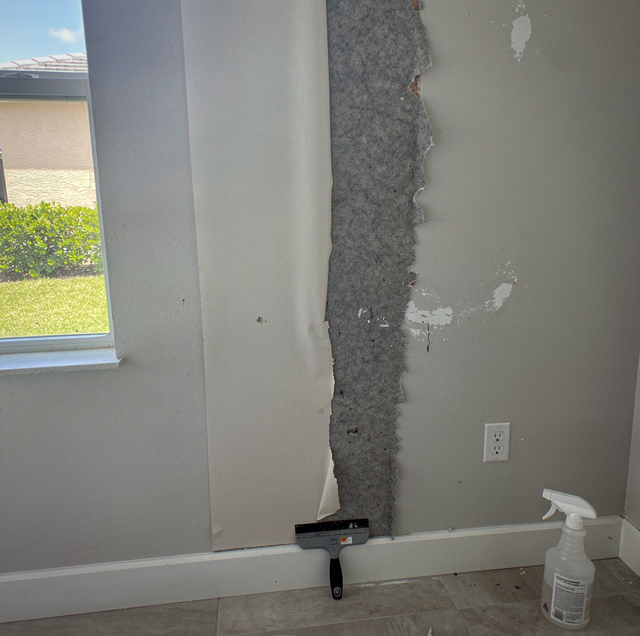
Peel back a strip of old wallpaper in one room, and the wall underneath looks freshly painted, smooth and ready for a new coat within the hour. Peel back a strip in the room next door and a soft gray fuzz comes away with the paper, exposing a rough, felted patch where the wall used to have a hard, paintable surface. Same house, same wallpaper, same person doing the work, two completely different outcomes.
The difference isn't technique. It's a decision that was made years before anyone picked up a scraper: whether that wallpaper was ever hung over a primer coat or went straight onto bare drywall. On a primed wall, the paper releases from a sealed film, leaving the wall face untouched. On bare drywall, the wallpaper's adhesive bonded directly into the paper that's glued to the gypsum itself, and pulling the covering off can pull some of that paper with it. Everything else here- the soaking, the steaming, the stripper- only works within whichever of those two situations you're actually in.
What Sits Between Your Scraper and the Framing
Five layers separate the framing behind a wallpapered wall from the strip you're peeling off, though one of them may not exist, depending on how the room was originally finished. Working out from the studs: a gypsum core wrapped in a paper facing glued to both faces at the factory. That facing paper is thin, measured in thousandths of an inch, and it's what actually holds the panel's surface together; the core on its own is soft and crumbles easily without it. Next, if the wall was prepped before the paper went up, a layer of sizing or primer meant to make the wallpaper easier to hang and later remove. Then the adhesive, spread on the wall or on the back of the covering depending on the era. And last, the wallpaper itself: a printed face bonded to a paper or fabric backing that touches the wall.
Removing wallpaper means breaking the bond between the adhesive and the surface beneath it. When that surface is a primer film, the release happens where it's supposed to. When that surface is the drywall's own paper facing, with no primer between them, there's nothing sacrificial in that stack; the adhesive is bonded straight to the same paper holding the wall's surface together.
Why the Same Method Works in One Room and Fails in Another
A primer or sizing coat applied before hanging wallpaper does two jobs at once. It seals the porous drywall paper so the adhesive can't soak into its fibers, and it gives the wallpaper a smooth, separate film to bond to, sitting between the paste and the wall itself. Softening that adhesive later with water, steam, or a stripper breaks the bond at the sealed surface, and the paper lifts away cleanly. The primer film stays behind, already sealed, ready for a fresh coat after nothing more than a wash.
Paper hung straight onto bare, unprimed drywall doesn't have that intermediate layer. The paste soaks into the same cellulose fibers that make up the drywall's paper facing, and years of that contact make the two effectively one material at the surface. Softening that bond doesn't separate two distinct layers; it softens the top of the wall's facing as well. Some of that facing will lift with the wallpaper no matter how careful the technique is, because there was never a clean seam between them to begin with. This is the single factor that determines how the whole job goes, more than which release method is used.
Test a Corner Before You Commit to the Whole Wall
Before working a whole wall, or a whole room, test one small, inconspicuous section: behind a door, low near a baseboard, or inside a closet. Wet or steam a patch a few inches across, wait long enough for the adhesive to soften, and lift a corner with a scraper. A clean release looks like the backing peeling away in one piece or in long strips, leaving a smooth, hard surface underneath. A problem release looks different: the paper comes away in small, ragged pieces, and what's left behind is a soft, fibrous, grayish surface that catches on a fingernail. That grayish fuzz is the drywall's own facing paper, torn loose along with the wallpaper.
Finding that in a test patch changes the plan for the whole wall before real time is sunk into it: slower, gentler technique, more patience with dwell time, and an acceptance that some skim coating will likely follow. A clean release means that any of the standard release methods will probably get through the room with little trouble.
Three Ways to Release the Bond
Three techniques handle most wallpaper removal, and each targets a different part of the problem. Soaking and scoring work on a porous, water-permeable paper where the paste itself is the main obstacle. Steam adds heat to the same job for stubborn walls or multiple layers of paper glued together. And a chemical stripper targets the adhesive directly, for cases where water alone can't break the bond fast enough to matter.
Vinyl-coated and many modern papers don't let water through the face, so they need scoring first: a tool with small rotating blades or spikes perforates the surface in a grid of tiny holes without cutting through to the wall behind it. Water, sometimes with a little dish soap or household vinegar added to help break down the paste, then gets applied generously and given time to soften the adhesive through those perforations.
Score with light, even pressure and let the rotating wheels do the cutting. Depth comes from how hard the tool presses against the wall, and bearing down is what drives the blades into the drywall facing underneath.
A wallpaper steamer forces heat and moisture into the wall simultaneously, working faster than standing water left to soak on its own. That combination softens the paste faster and penetrates multiple layers of paper that plain soaking often can't fully reach, which is why steam tends to be the better choice on a wall that's been repapered more than once.
A chemical wallpaper stripper, a gel or liquid formulated to break down the adhesive's own polymer or starch structure, works when the paste itself resists water: older wheat-paste adhesives, or vinyl adhesives formulated to hold up against moisture in the first place. It changes the chemistry of the paste itself, without depending on water or steam getting all the way through to it.
Where Each Method Goes Wrong When It's Pushed Too Far
Light, even pressure keeps the scoring blades within the wallpaper's own thickness. A tool set too aggressively or pressed too hard cuts through the covering and into the drywall's paper facing, leaving a grid of shallow gouges across the whole section. Those gouges don't sand out; they're permanent damage in the facing paper, and they read as a faint stippled texture through new paint, especially under a light that hits the wall at an angle. A metal-bladed scraper does similar damage from the other direction: held too steep while lifting softened paper, the edge catches and digs into the facing paper on the down-stroke. A plastic blade flexes against the surface, keeping the edge from catching the paper.
A steam plate moving across the wall in a steady pass spreads the heat as it travels. Holding it against one spot well past the point the paste has softened drives heat and moisture through the facing paper and into the gypsum core underneath. Gypsum can hold a fair amount of water before it shows on the surface, and once it does, the panel has gone soft in that spot and needs to be cut out and replaced.
Liquid stripper applied heavily, or left to sit longer than the job needs, runs. It follows gravity down the wall, pools behind the baseboard, and can work its way in around the edges of any outlet or switch box on that wall.
Steam scalds on contact, and a stripped wall can hide an outlet or switch right where you're working. Shut off power to that room at the breaker before water, steam, or stripper goes near it, and leave every device in place.
Working section by section keeps stripper from pooling anywhere near a wall device.
Getting the Wall Ready for Paint After the Paper Is Gone
Getting the paper off the wall is only half the job; the surface underneath it still needs to be clean. Wallpaper adhesive leaves a thin film behind even after every visible scrap of paper is gone, and that film is a different material from the gypsum-facing paper it's sitting on. The primer coat that goes on afterward bonds to that leftover paste film sitting on the surface. It never actually reaches the paper underneath, and the result shows within a few weeks: a faint sheen difference, small beads where primer couldn't wet out, or patches that lift on their own.
Washing the wall with warm water and a sponge, changing the water often so paste doesn't just move from one section to another, is what actually clears the film. Running a clean, damp hand across the dry wall afterward and feeling for any tackiness or slight drag is a better test than looking at it; residue thin enough to be invisible is still thick enough to reject a coat of primer.
Where the test patch or the removal itself showed torn facing paper upon release, the wall needs more than a wash to be ready for paint. That damage doesn't heal or sand smooth; the fibrous surface left behind won't hold paint the way intact facing paper does, no matter how well it's primed. The section needs a thin skim coat of joint compound, feathered out past the edges of the damage before any primer goes on. Priming that new compound evenly, so it doesn't dry patchy against the paper around it, is its own question once the wall is patched. A single torn patch is a repair. A wall where the tear-out is scattered across most of the surface is closer to a full re-skim, and at that point it's worth handing to someone who does this daily.
Frequently Asked Questions
Most water- or solvent-based pastes start releasing their grip only after the water has had real, steady contact time to fully reach and soften them. Older clay-based or heavy vinyl adhesives can take two or three soak-and-scrape passes over the same section before enough of the bond breaks to lift a full strip.
Painting over intact wallpaper can hold for a short stretch, but every seam telegraphs through the paint film as a faint ridge, and the added weight of a fresh coat often pulls an aging seam loose within a year or two.
Vinyl-faced paper is usually built in two layers: a decorative vinyl top sheet laminated to a paper backing that touches the wall. That top sheet often peels away dry, by hand, in one continuous piece, leaving the paper backing still stuck to the wall behind it. That leftover backing layer is what actually needs soaking, steaming, or stripping, just like any other paper.
A coat of paint over old wallpaper seals the surface completely, but in the wrong direction: water and steam can no longer reach the paste underneath. Scoring has to cut through the paint film itself before any moisture can get to the adhesive, and a stripper formulated specifically to penetrate a painted surface is often the more reliable option on a wall like that.
A thin paste film can be nearly invisible on a dry wall, so checking by eye alone misses it. Wiping a section with a water-and-white-vinegar solution, then rinsing with clean water and letting it dry fully, breaks down the residue that plain water alone leaves behind; vinegar's mild acidity is what cuts through the dried paste a plain water rinse can't fully lift. If the wall still doesn't accept primer evenly after that, a light hand-sanding pass usually finishes clearing what the rinse missed.
A small, isolated patch of torn facing paper is within reach for most people willing to work slowly with a taping knife and a few thin passes of compound. A wall with tear-out scattered across several feet is a bigger scope: setting-type compound, mixed from powder right before use, builds up in thicker layers without shrinking back the way pre-mixed compound does over a large area, and that difference is what keeps a wide patch from cracking later.
Ask about professional wallpaper removal and wall repair before your next paint job — a test patch tells you what's under your walls before anyone commits to stripping a whole room. Vinicio Painting serves Hialeah Gardens, Miami Lakes, and Doral. Call (866) 444-1226.
